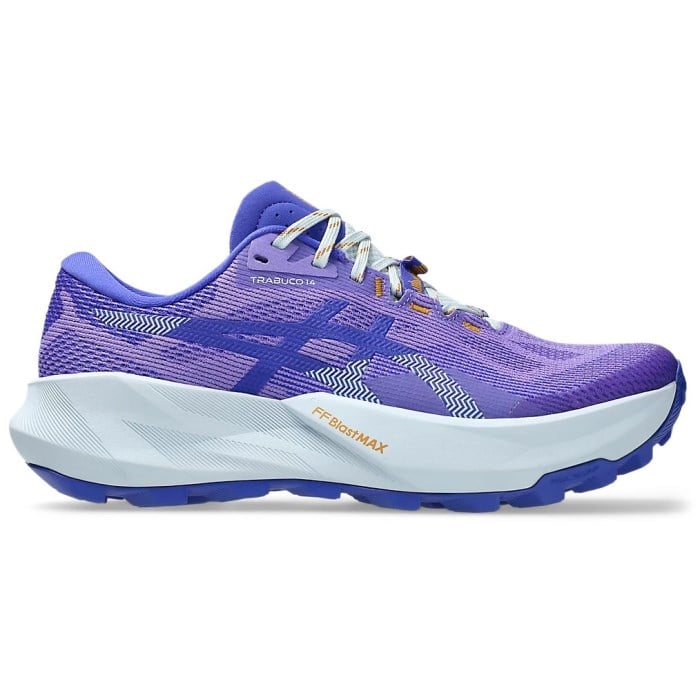
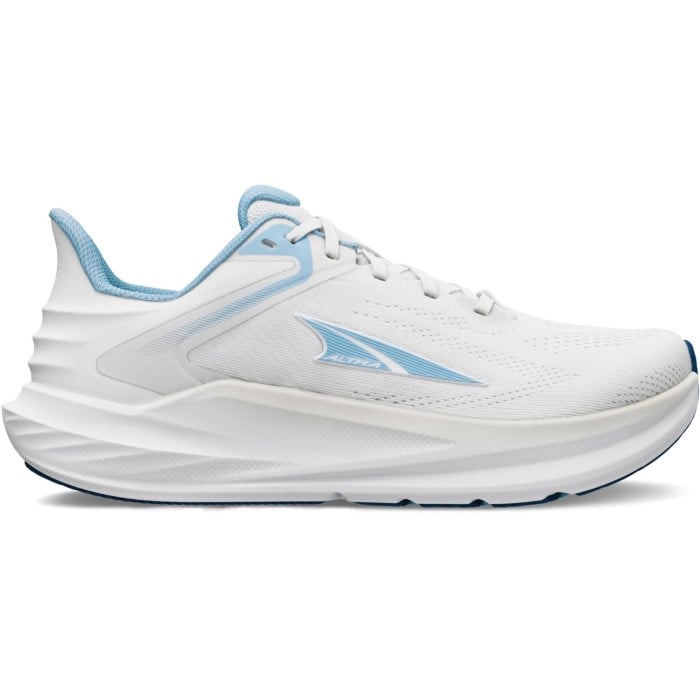
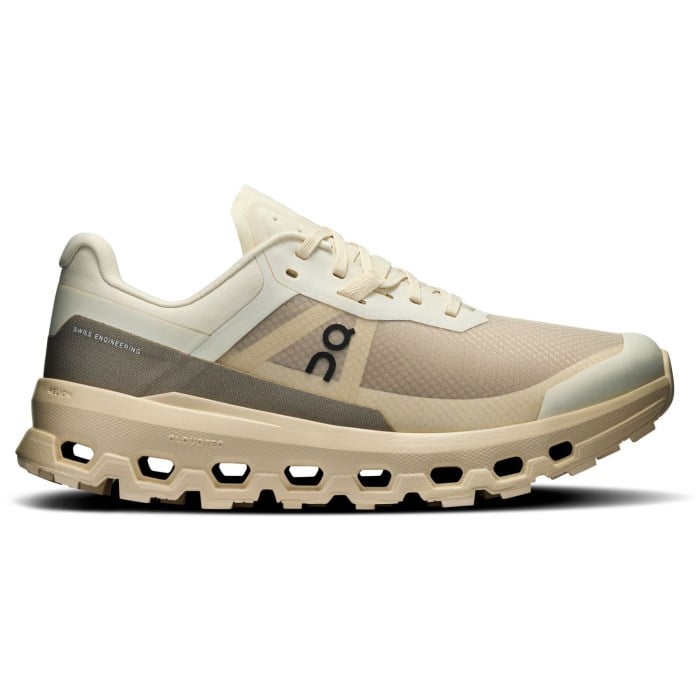
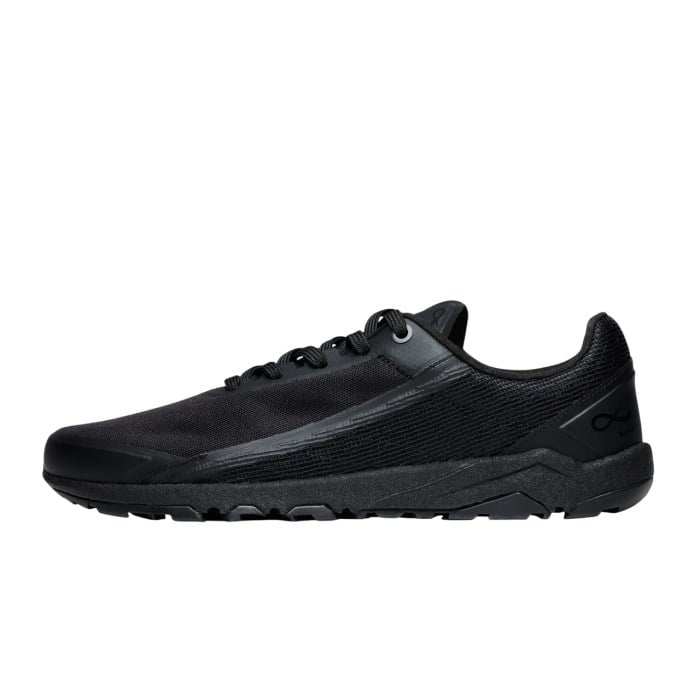
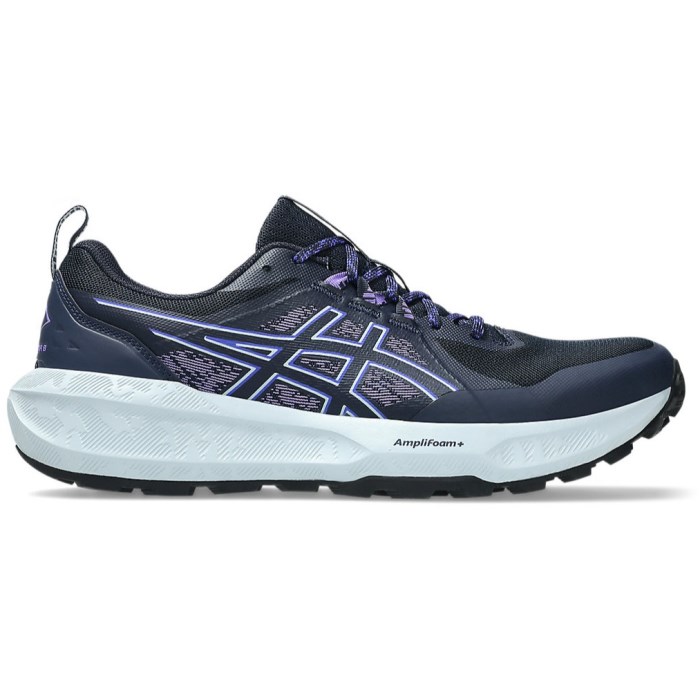
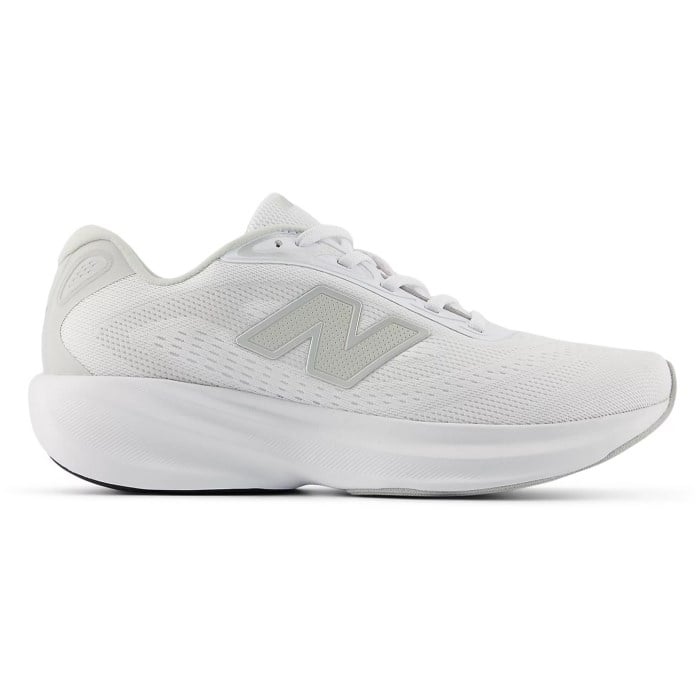
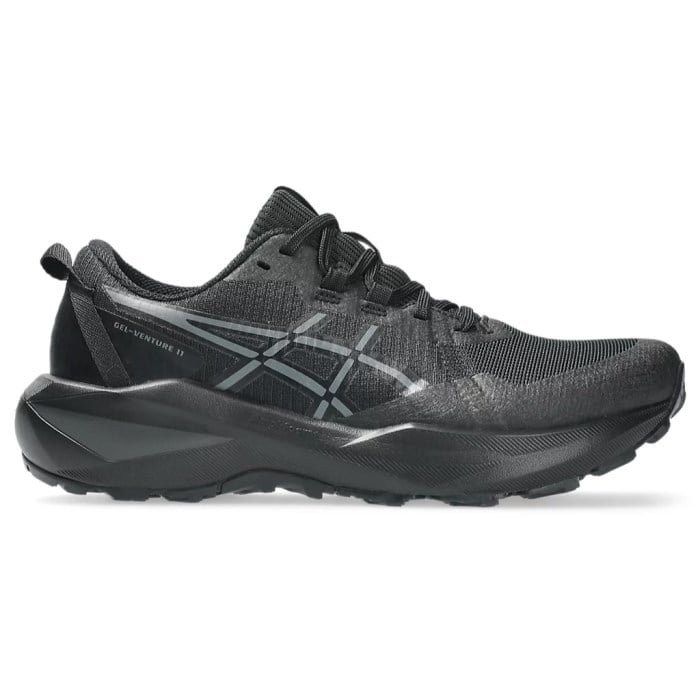
The Running Edit

Grip for the dirt, the rocks, the climb.

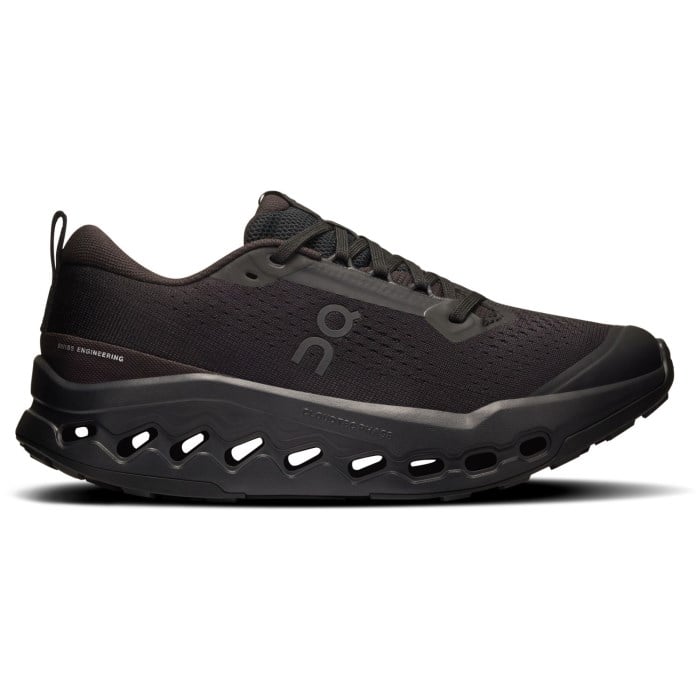
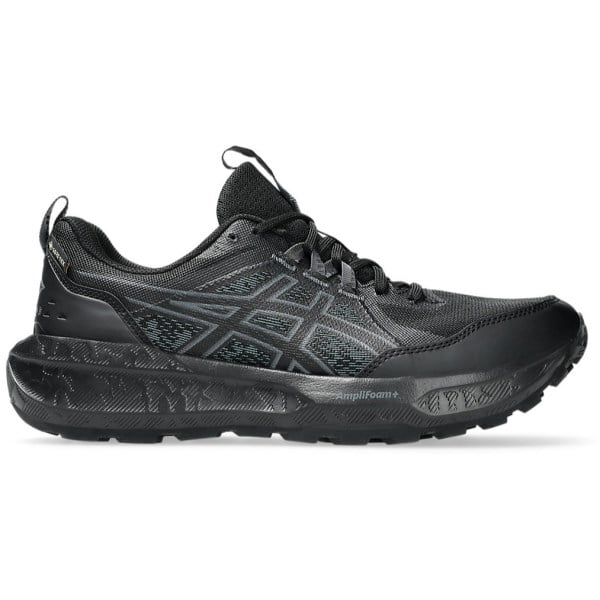
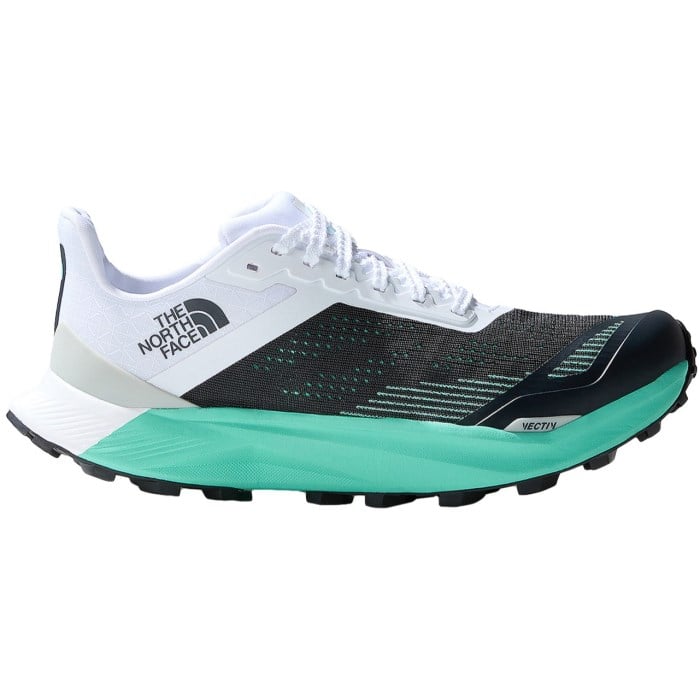
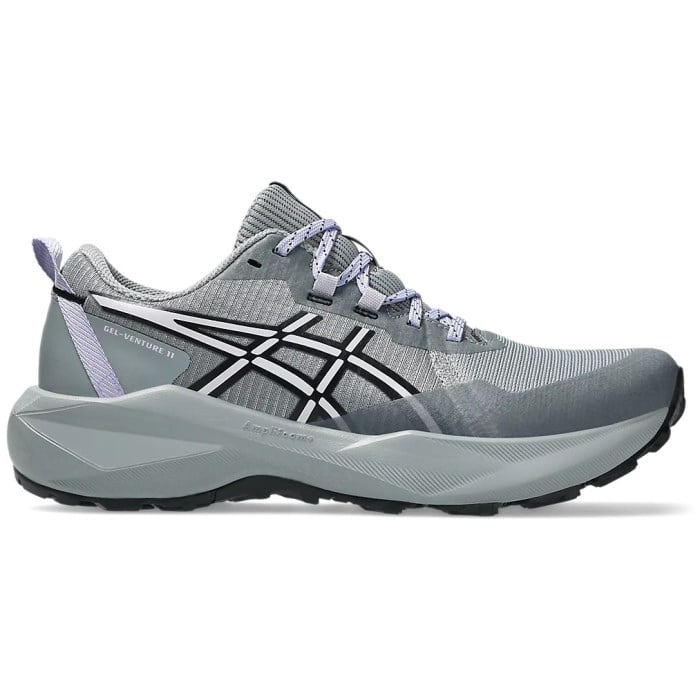
Trail shoes built for traction and protection when the road runs out.

36 curated products

Trail Shoes

Trail running rewards a shoe that bites. The right pair grips loose ground, protects against rocks and roots, and keeps you stable on the descent.

We curate aggressive outsoles, protective uppers and secure fits that handle technical terrain and long days in the hills.

The buyer's guide

How to choose

Three things worth checking before you buy, so it works as hard as you do.

Match lugs to terrain

Deeper lugs grip mud and loose dirt, shallower lugs roll faster on hardpack.

Check the protection

Rock plates and reinforced toes guard against sharp ground.

Lock the heel

A secure heel and midfoot stop slipping on steep climbs and descents.

Gear up

Complete your kit

The rest of the running essentials, from shoes to layers.

Shop all Trail Shoes

36 items

Availability
Price
12

How to choose trail shoes

Trail shoes are designed for the demands of off-road running, where grip, protection and stability matter more than pure speed. Start with the terrain you run most. Soft, muddy tracks need deep, widely spaced lugs that bite and shed mud, while hard-packed and rocky trails suit shallower lugs and firmer underfoot protection. Consider how technical your routes are, as rougher terrain calls for more cushioning underfoot and tougher uppers to guard your feet.

Key trail features

A few features define how a trail shoe performs once you leave the pavement:

  • Outsole grip: deep lugs for mud and loose ground, shallower lugs for hard trail
  • Rock protection: plates and reinforced midsoles shield feet from sharp rocks
  • Upper durability: tougher, often water-resistant materials resist abrasion
  • Stability: wider platforms and secure lockdown keep you steady on uneven ground

Who they suit and care

Trail shoes suit hikers, trail runners and anyone heading off the bitumen onto gravel, dirt or rocky paths. They are ideal if you want sure footing on descents, protection on rough ground and confidence in changeable Australian conditions. We carry trail-specific models from respected outdoor and running brands, spanning lightly cushioned options for fast trails to rugged, protective shoes for technical terrain. To keep them performing, knock off dried mud, rinse with cool water and a soft brush, remove the insoles to dry, and air dry away from direct heat. Avoid the washing machine, which can break down adhesives and shorten their life.

Frequently asked questions

What is the difference between trail and road shoes?
Trail shoes have lugged outsoles for grip on dirt and mud, tougher uppers to resist rocks and roots, and often added underfoot protection. Road shoes have smoother outsoles and lighter uppers tuned for pavement. Using trail shoes off-road gives you traction and protection that road shoes simply cannot provide.
Can I wear trail shoes on the road?
You can for short link-ups between trails, but it is not ideal. The aggressive lugs wear down faster on hard pavement and can feel knobbly underfoot, and road-tuned cushioning is usually smoother for long bitumen runs. For mostly road running with occasional trail, a road shoe or hybrid is a better fit.
How do I choose the right lug depth?
Match lugs to your terrain. Deep, widely spaced lugs of 5mm or more grip soft mud and loose ground and shed dirt well. Shallower lugs suit hard-packed, rocky or mixed trails and feel smoother underfoot. If your routes vary, a moderate lug depth offers a versatile all-round option.
Should I size up in trail shoes?
Yes, going up about half a size is wise, as feet swell on long runs and descents push toes forward. A little extra room at the front protects your toenails on steep downhills, while a secure midfoot and heel lockdown stops your foot sliding around on technical, uneven ground.
Are trail shoes good for hiking?
Absolutely. Trail running shoes are popular with hikers who want a lighter, more breathable alternative to boots, with grip and protection for uneven tracks. They suit day hikes and fast-packing well. For heavy loads or rough multi-day trips where you need ankle support, traditional hiking boots may still be preferable.
How do shipping and returns work?
We ship across Australia with tracking and dispatch orders promptly. If your trail shoes do not fit, return them unworn in their original condition and box within our returns window for an exchange or refund. Try them on a clean indoor surface first so they stay eligible for return.