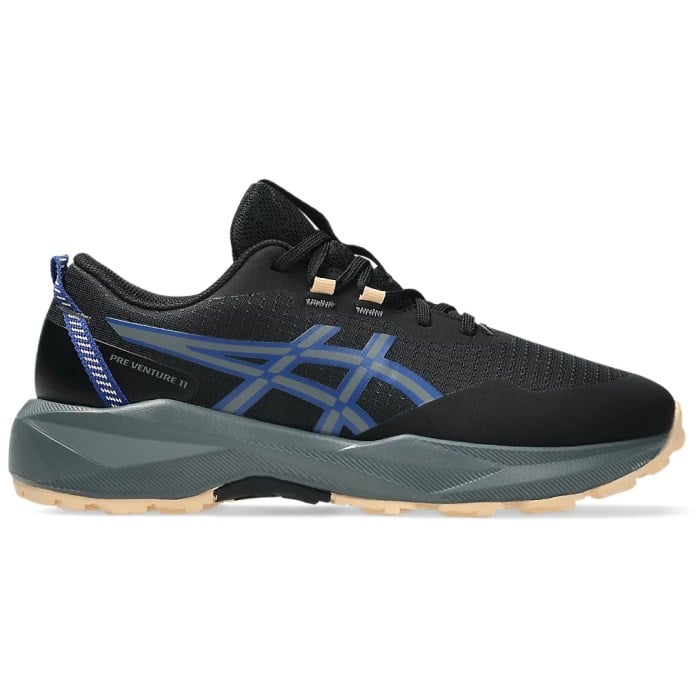
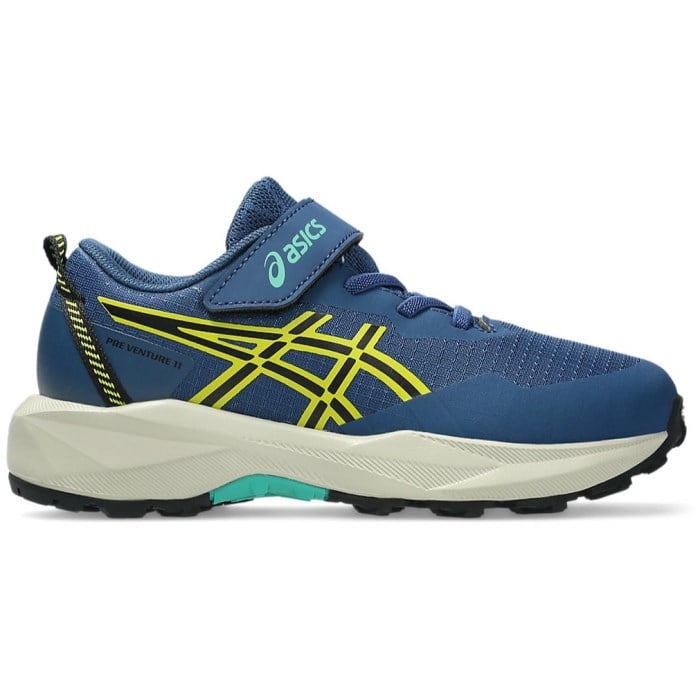
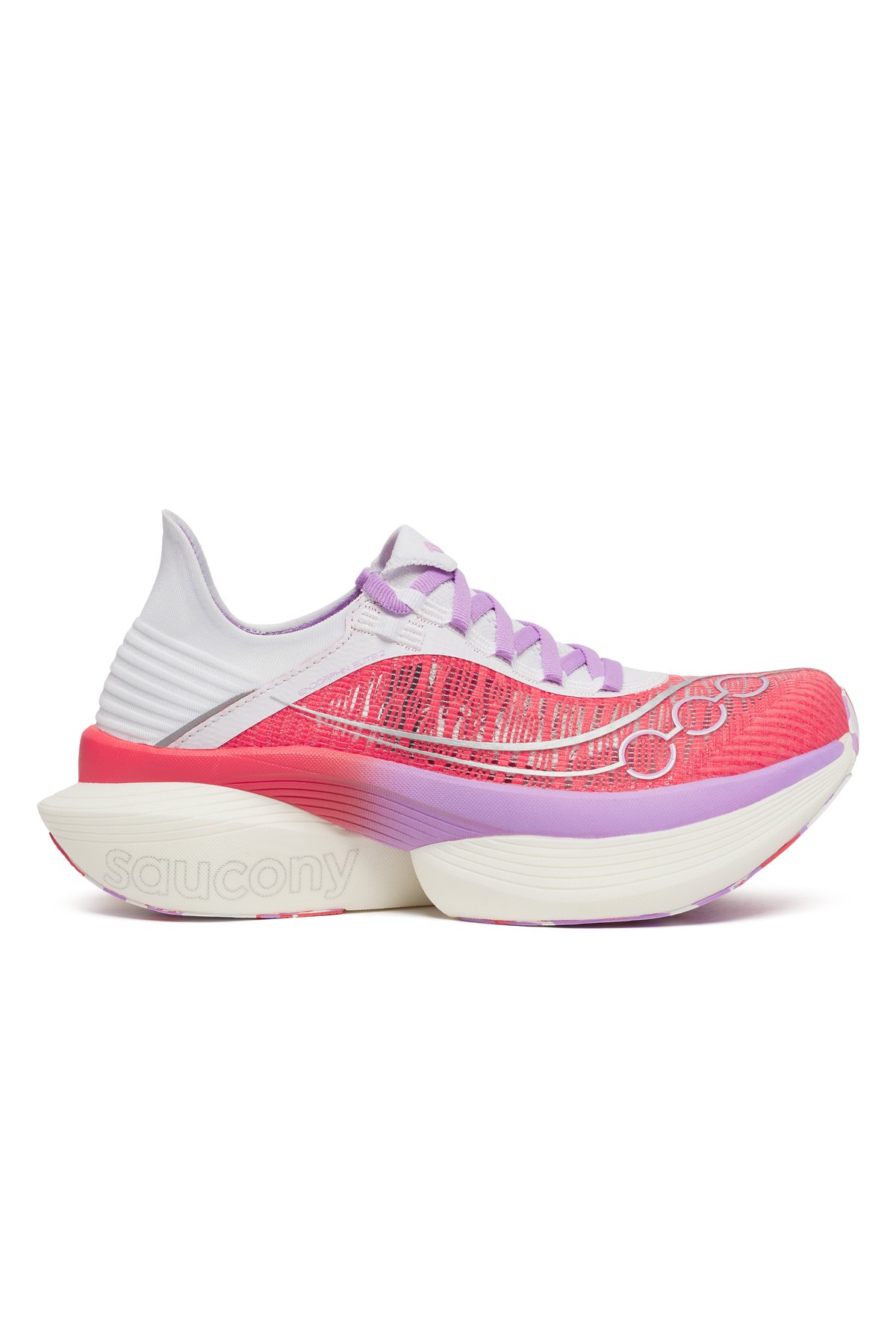
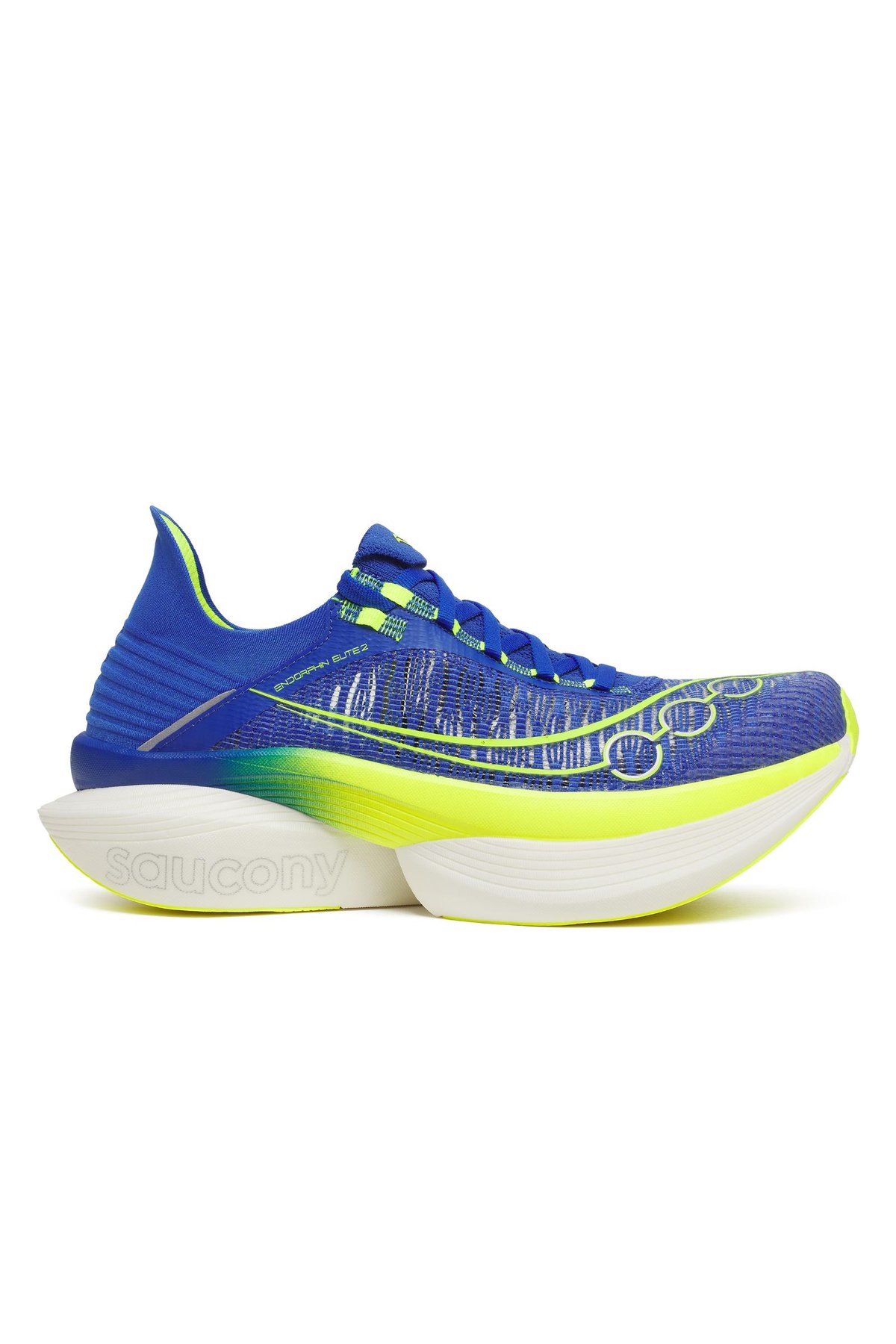
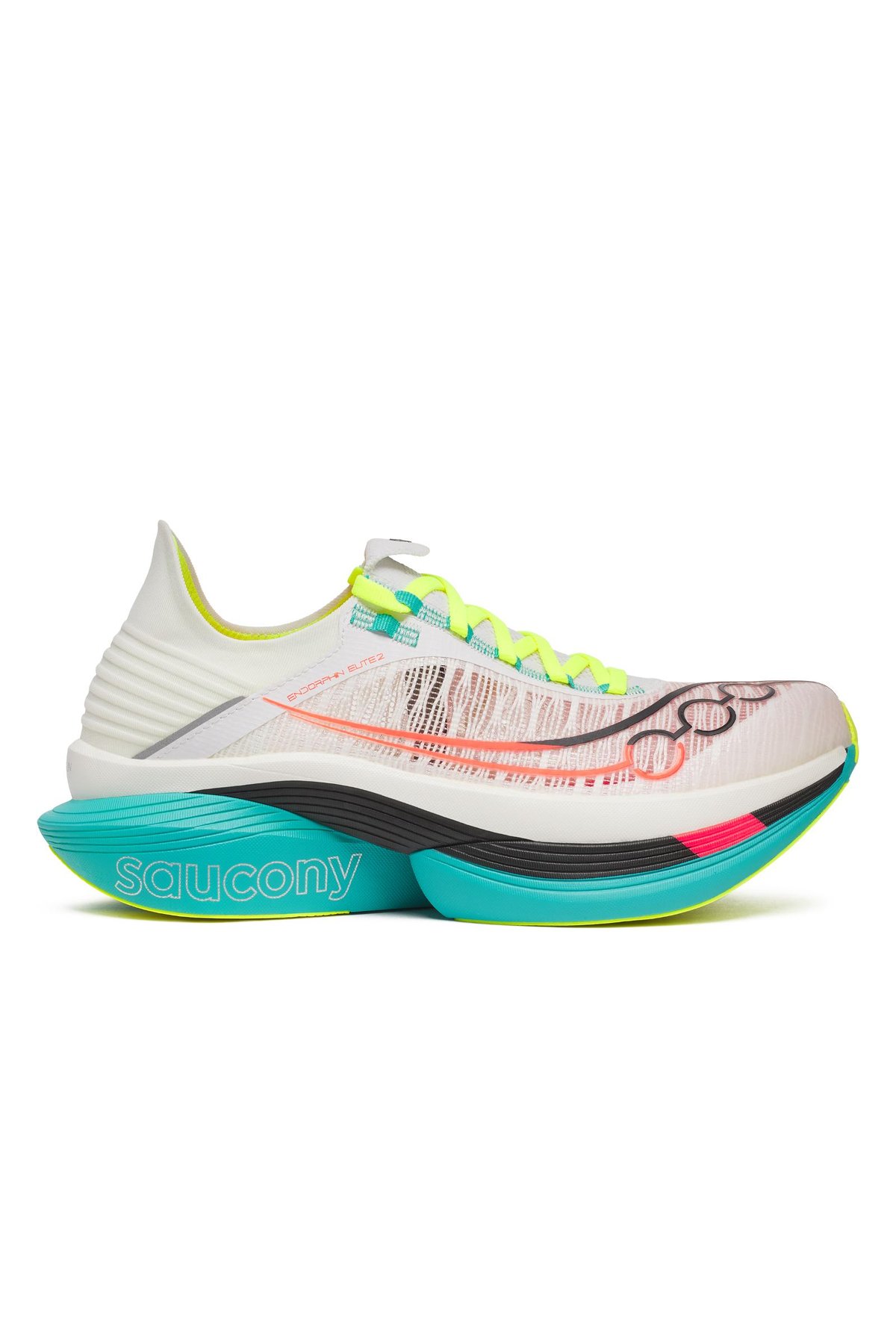
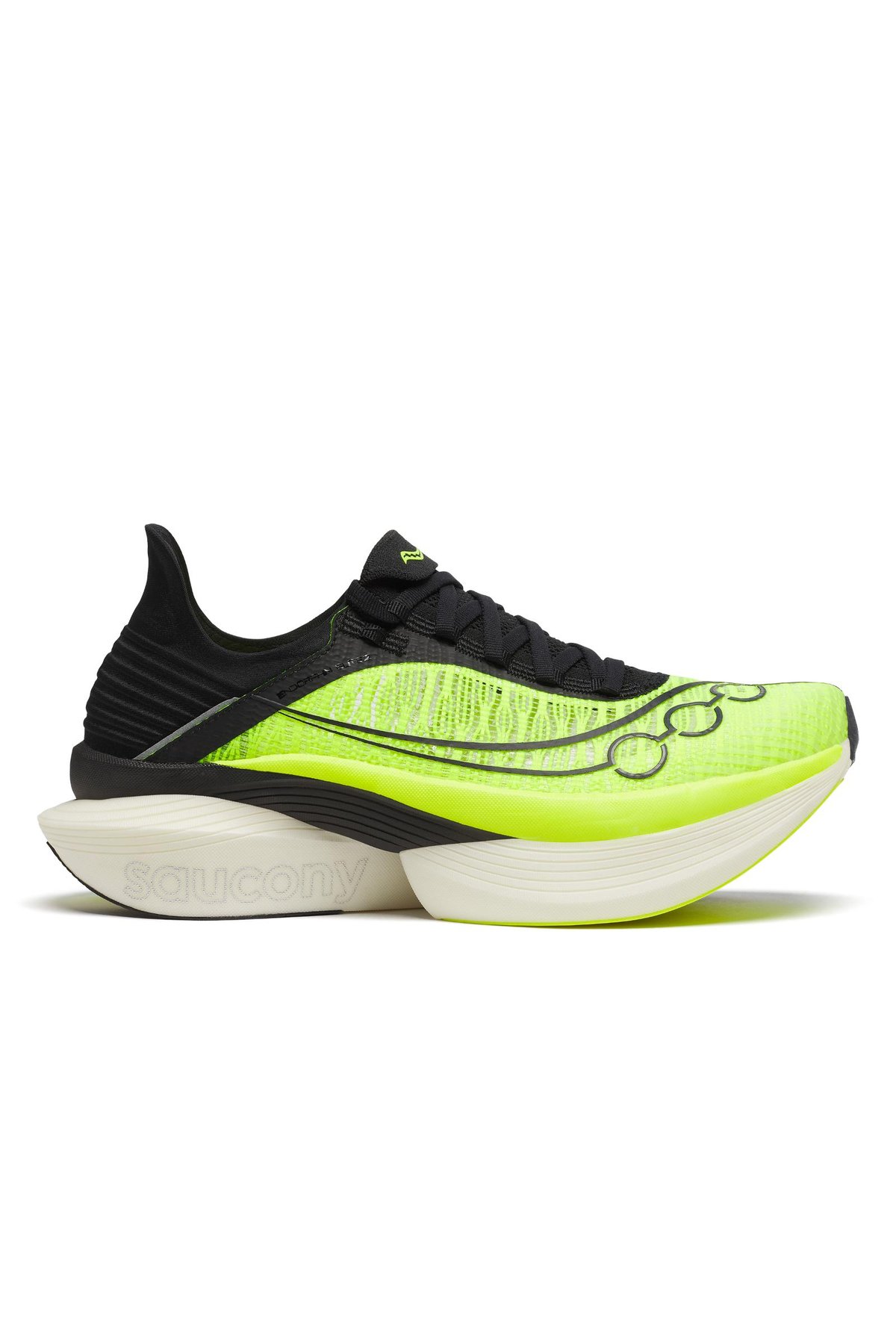
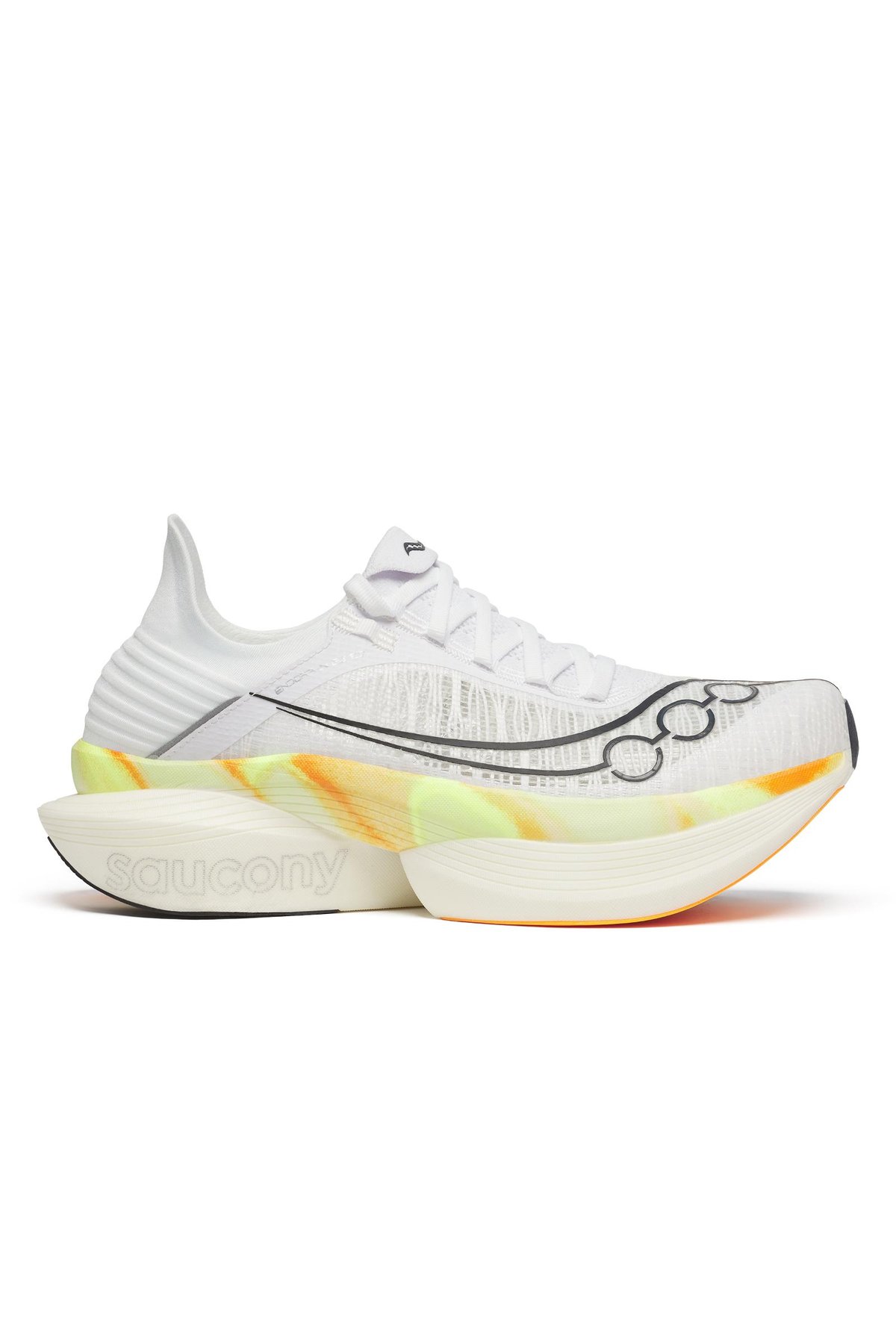
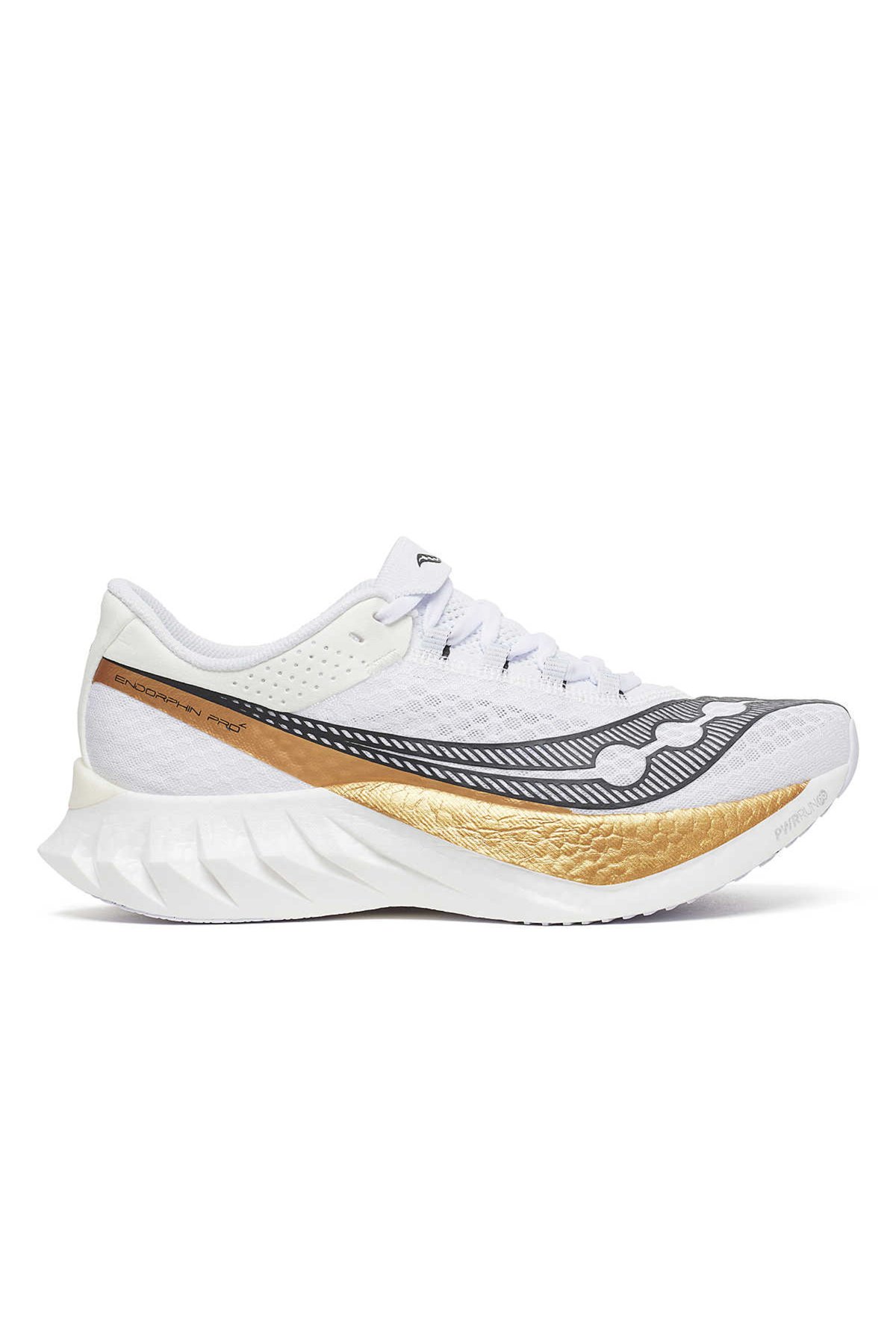
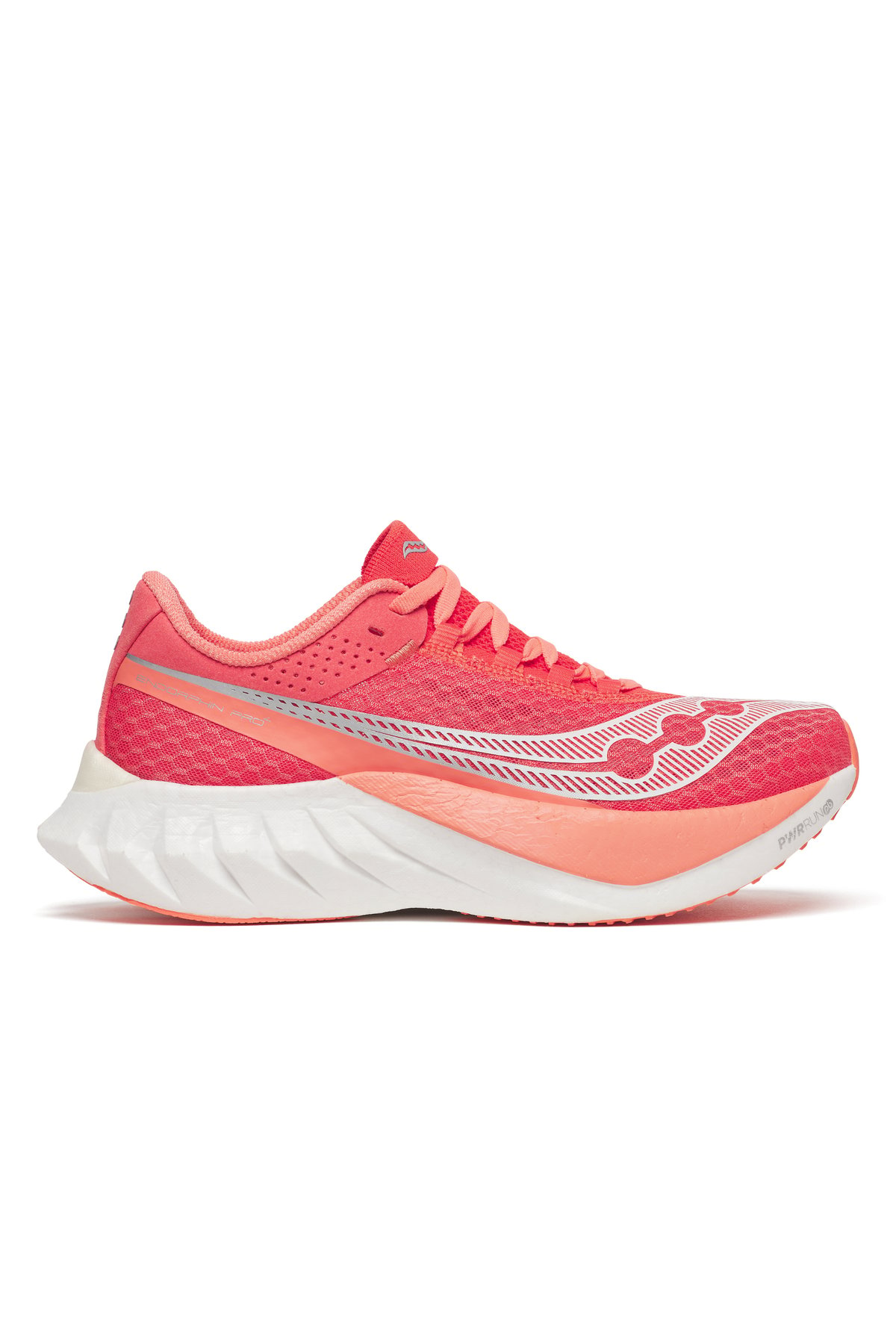
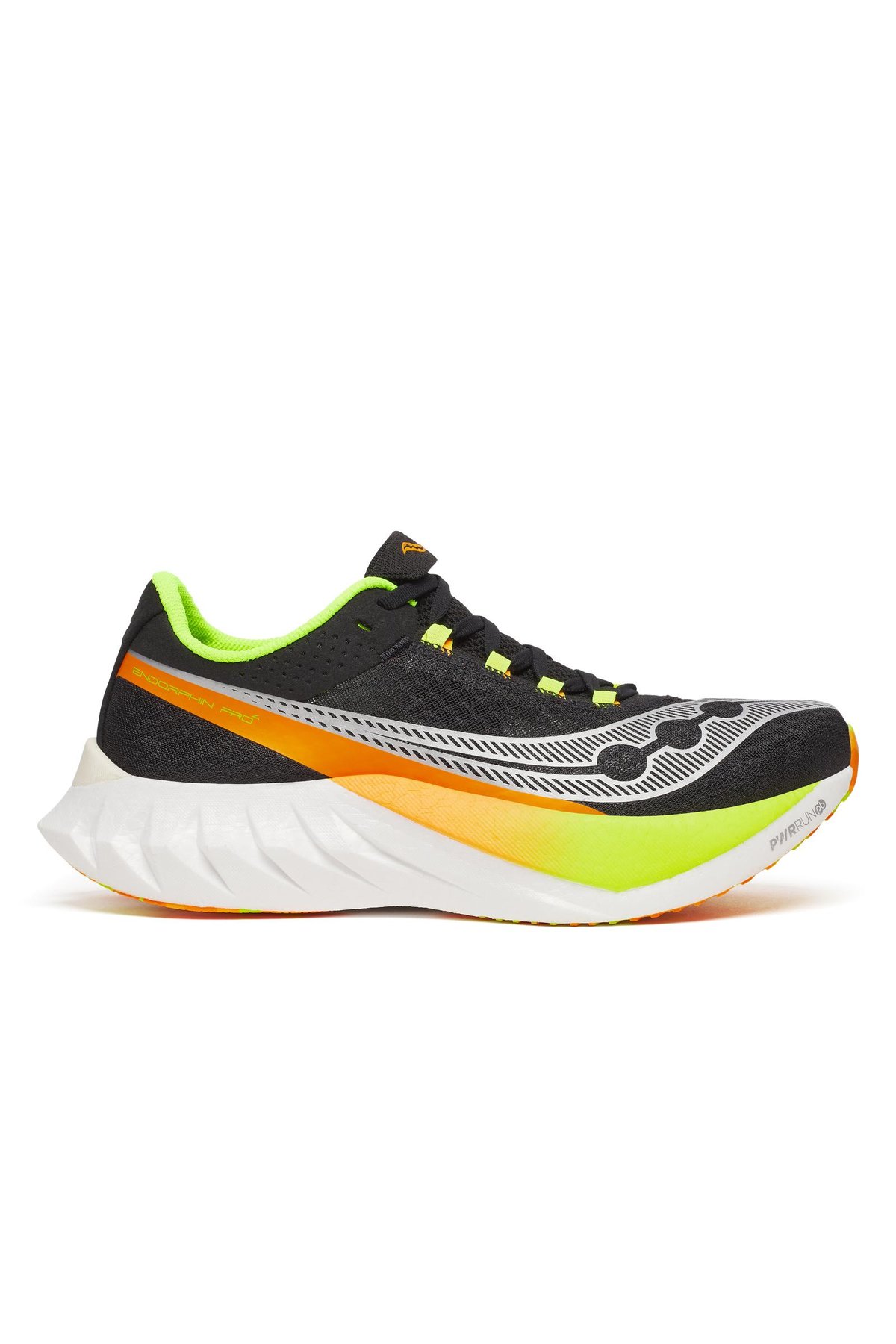
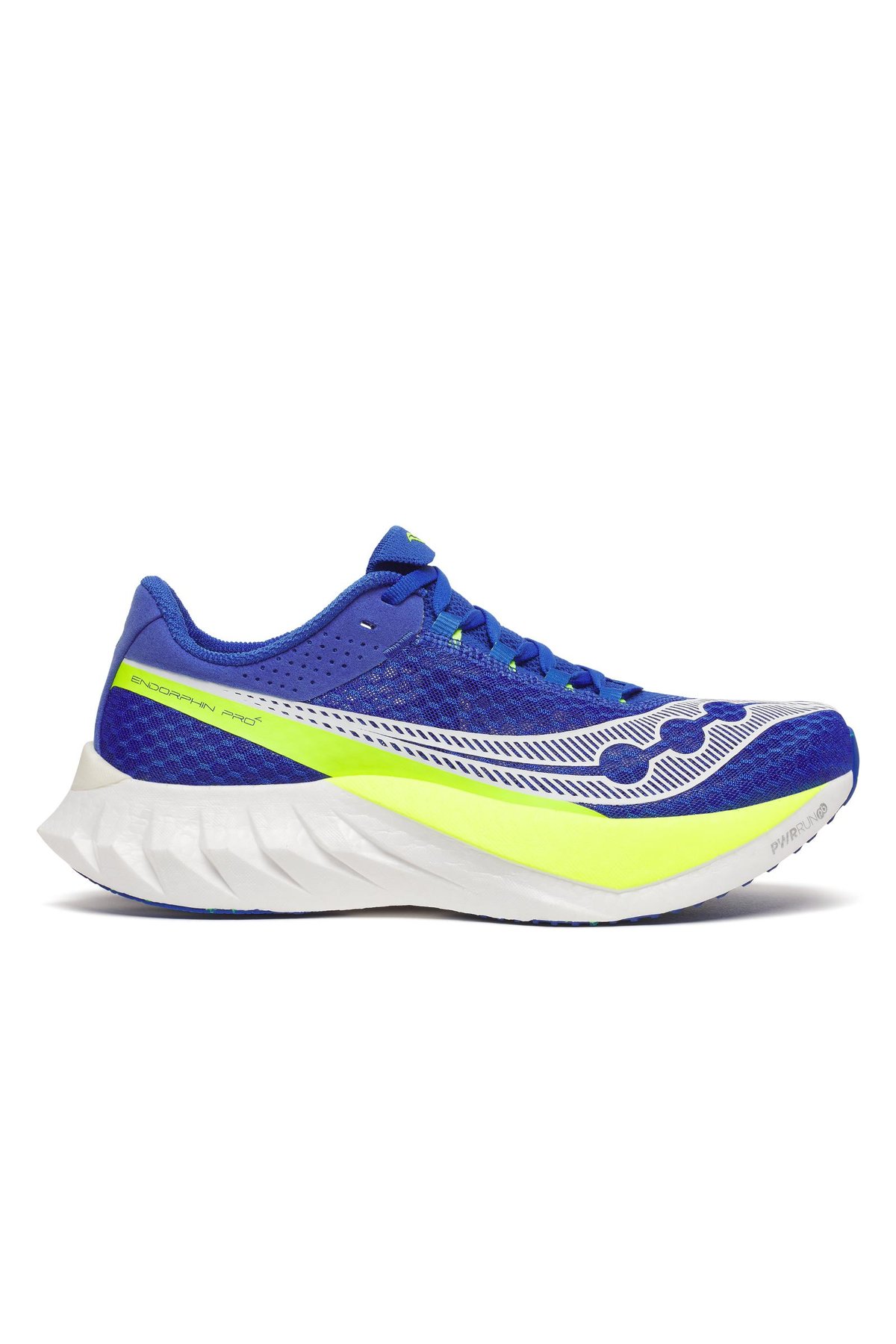
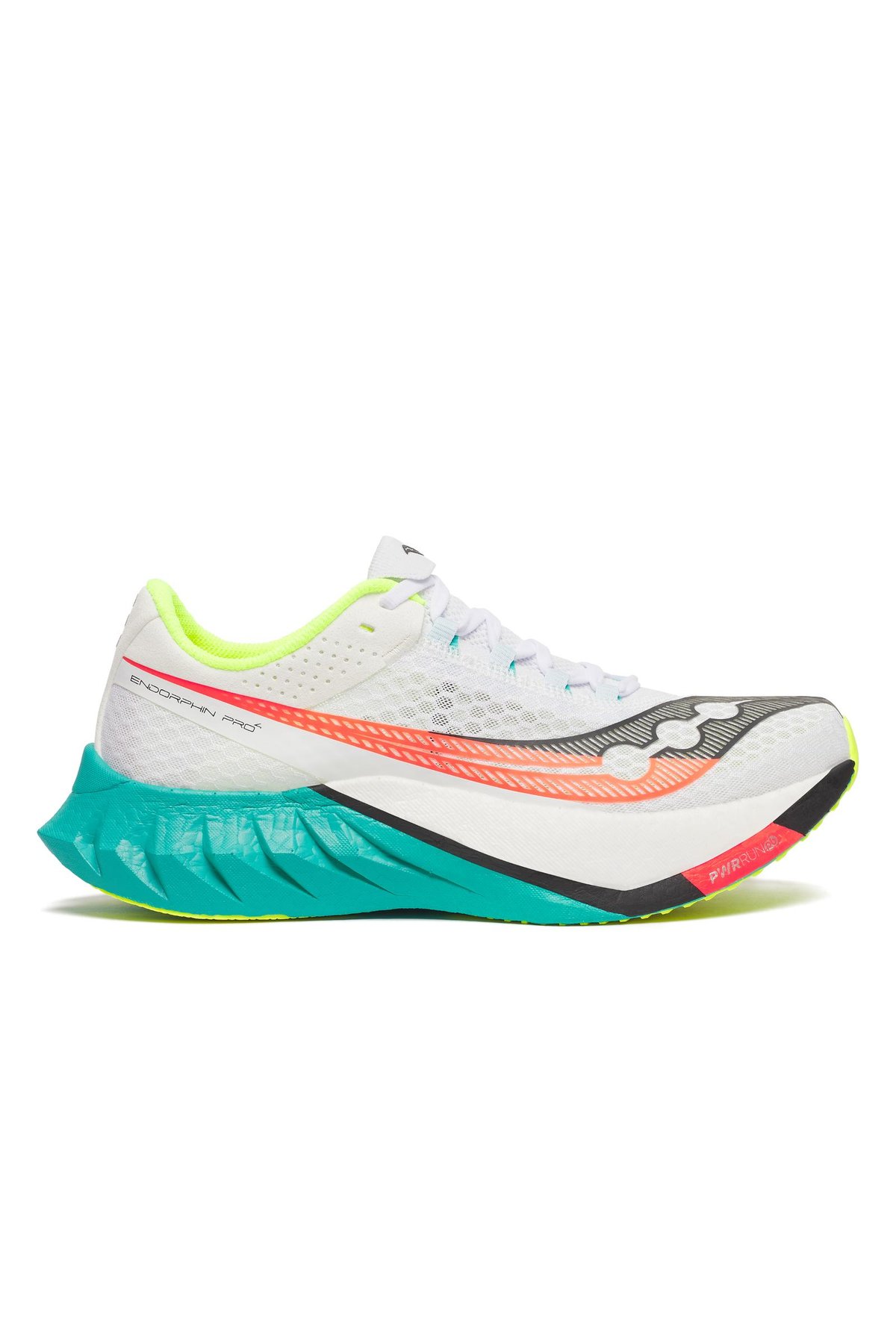
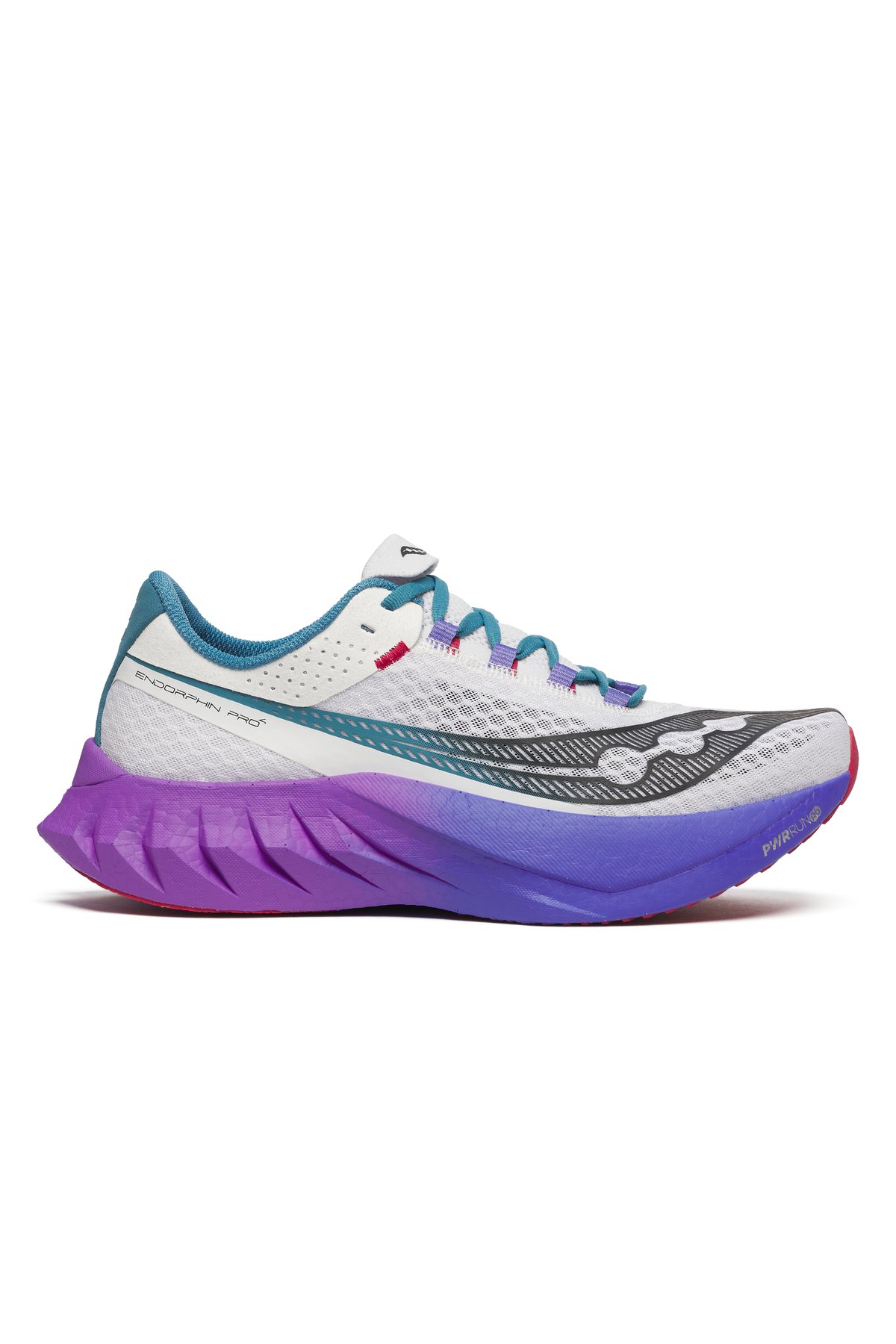
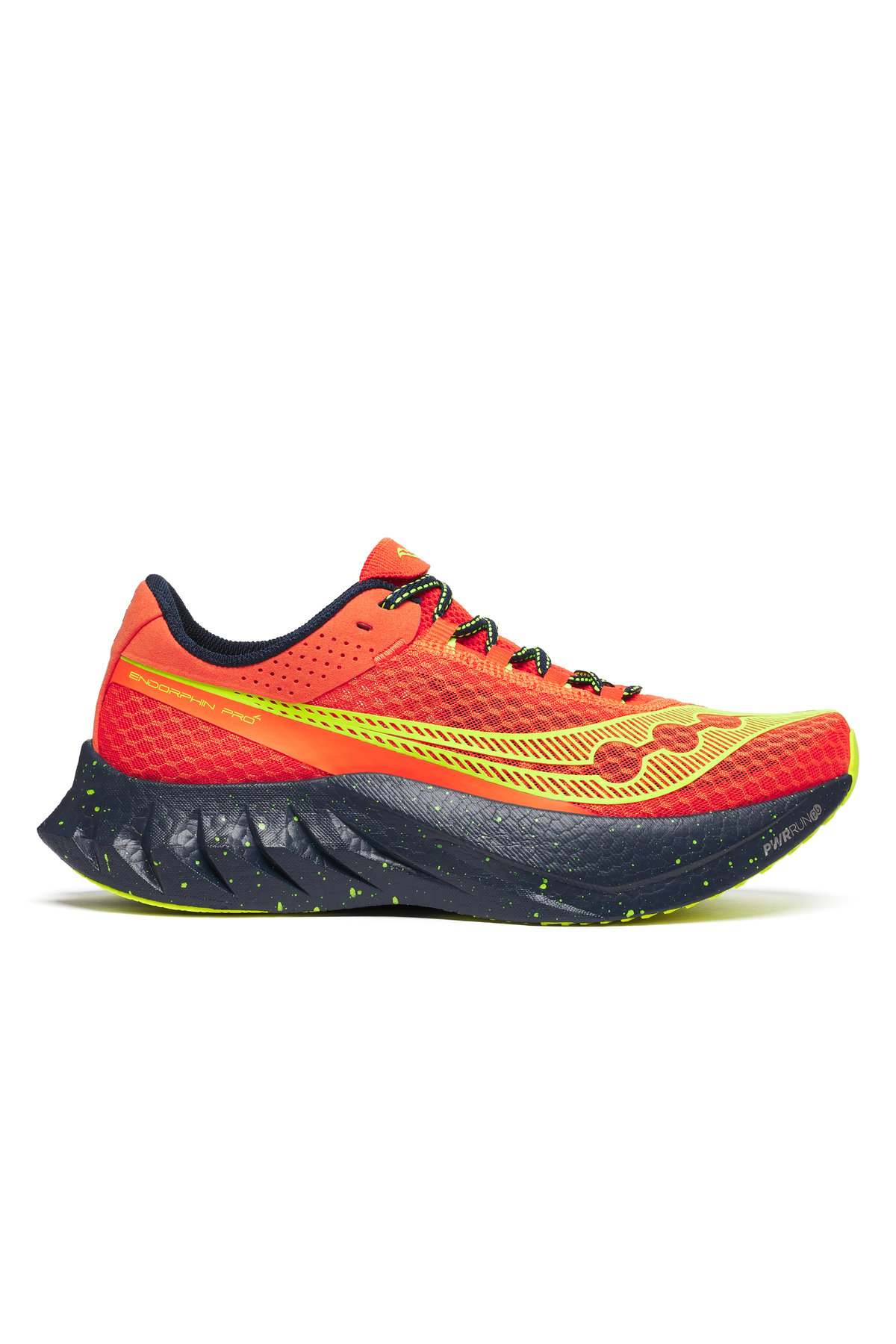
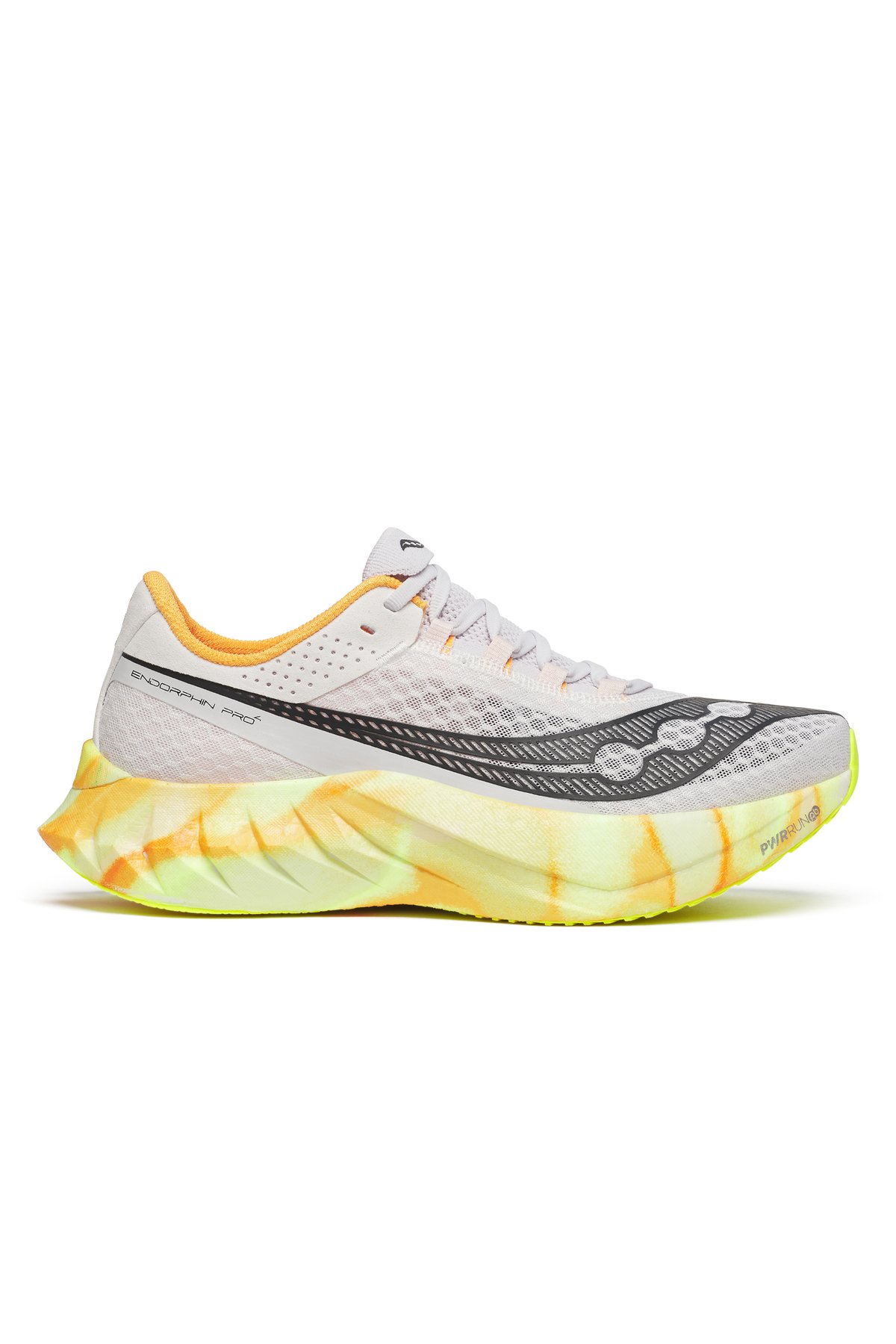
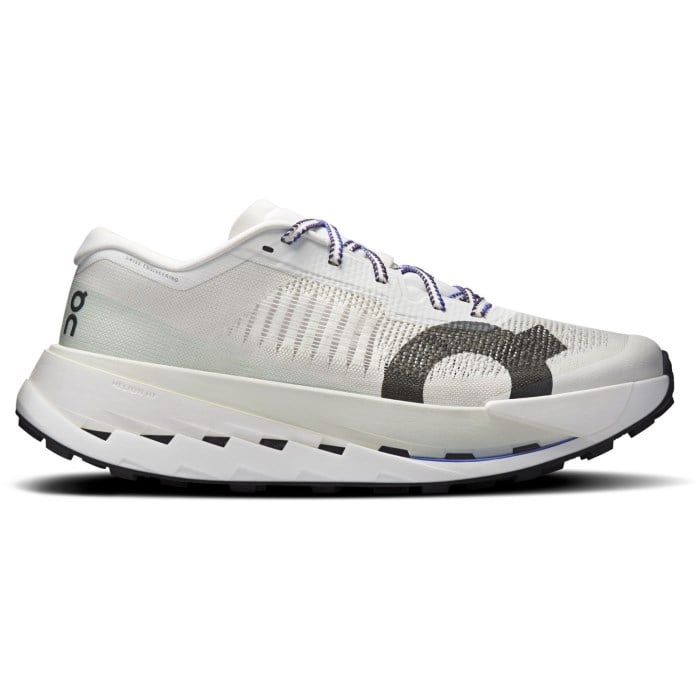
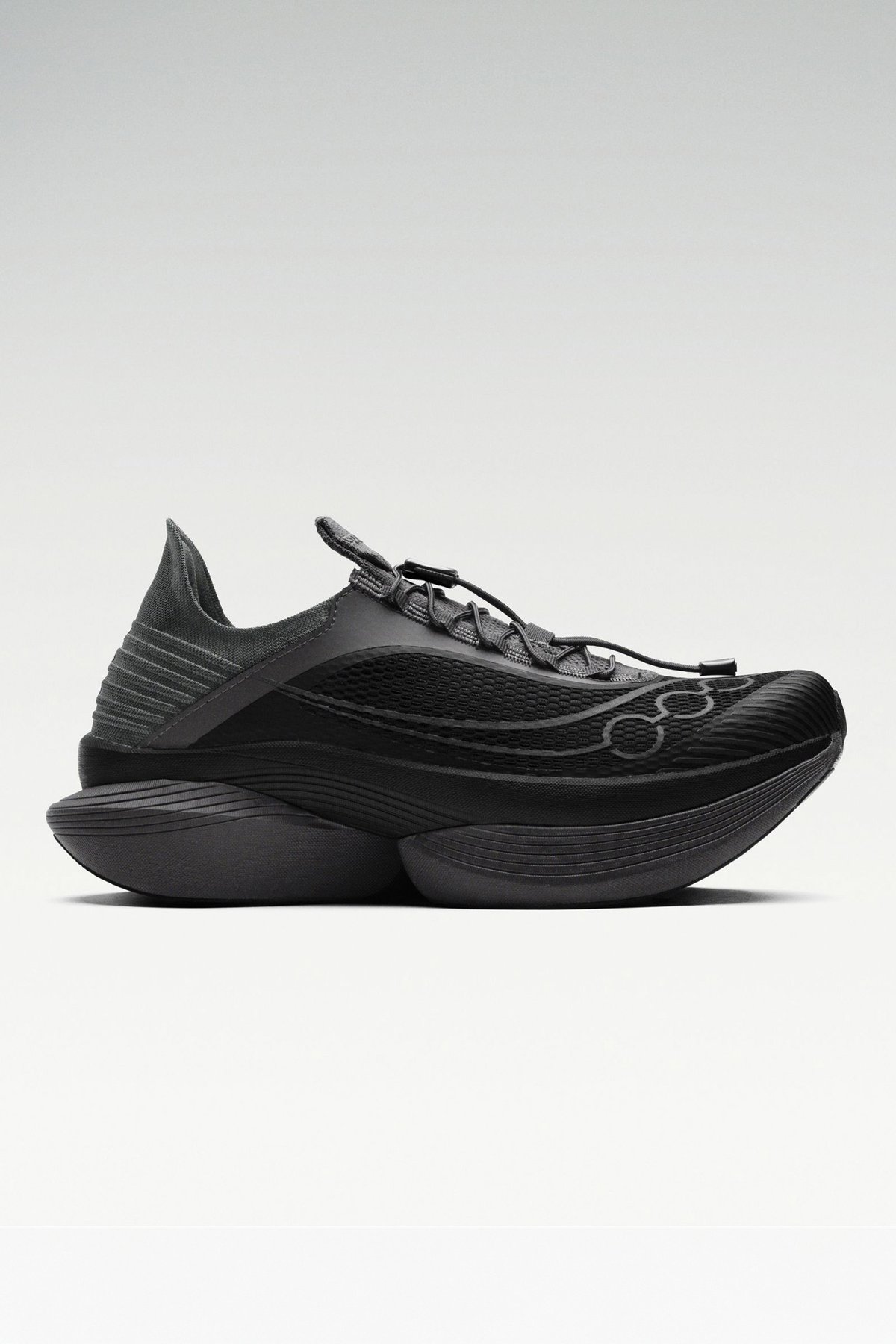
Match shoe to surface
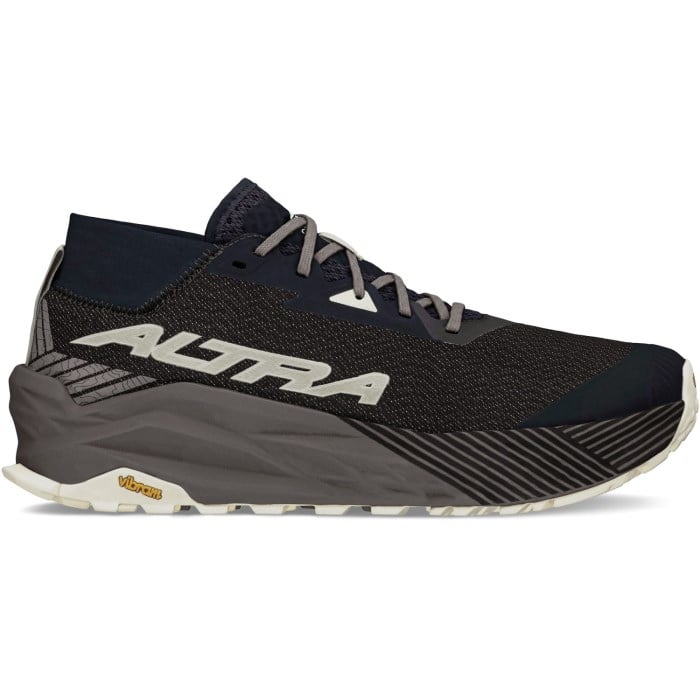
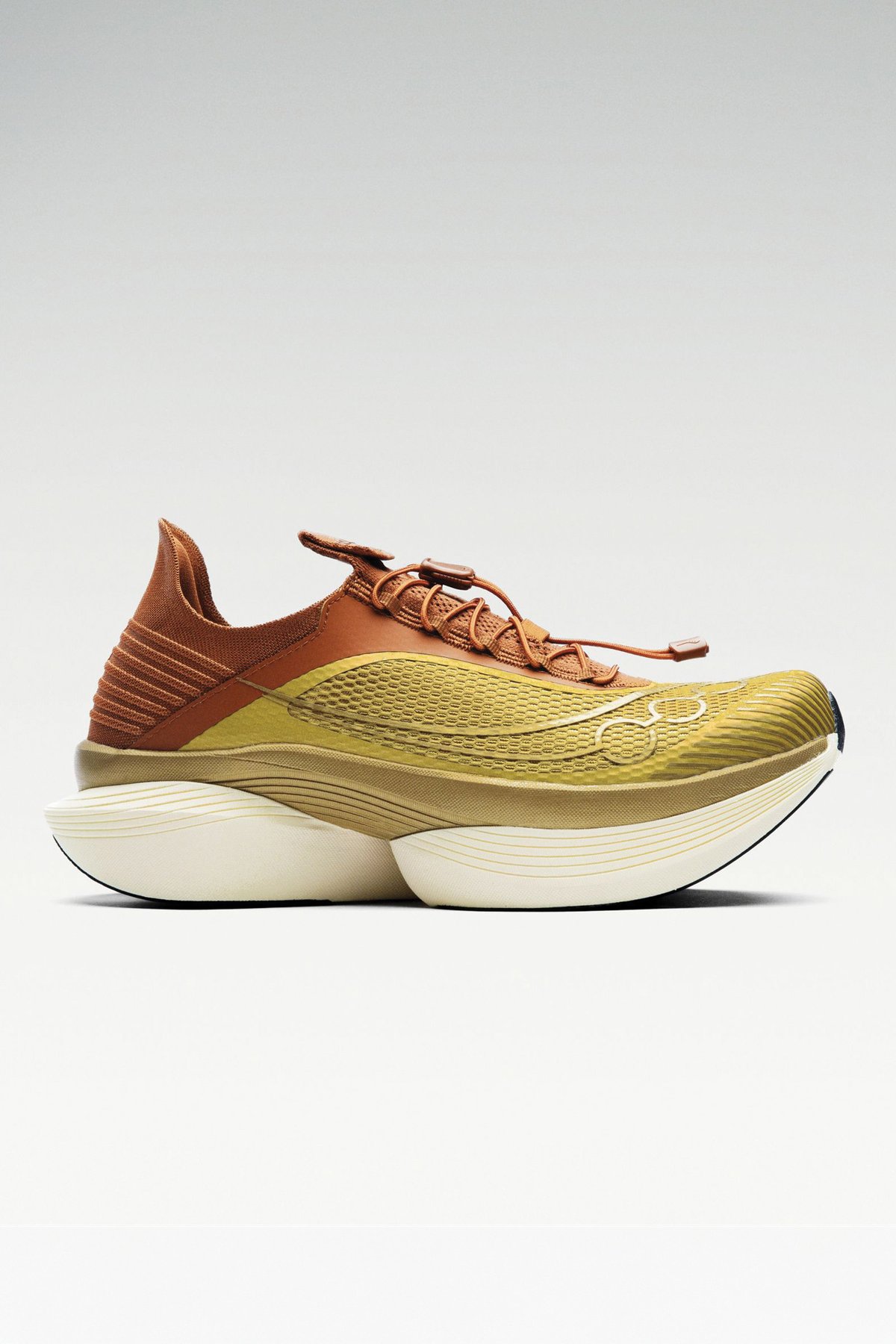
Road shoes for tarmac, trail shoes with deeper lugs for dirt and loose ground.

The Running Edit
Road and trail shoes plus performance apparel, curated for runners chasing their first five kilometres or their fastest marathon.

Running is a relationship with the road. Whether you are chasing a first five kilometres or a personal best over the marathon, the kit has to disappear so you can focus on the next step, the next breath, the next mile.
We pull the gear that earns its place: shoes tuned for the surface, apparel that wicks and breathes, and the layers that keep you moving when the weather turns. Built for the distance, whatever the distance is.
The buyer's guide
Three things worth checking before you buy, so it works as hard as you do.
Road shoes for tarmac, trail shoes with deeper lugs for dirt and loose ground.
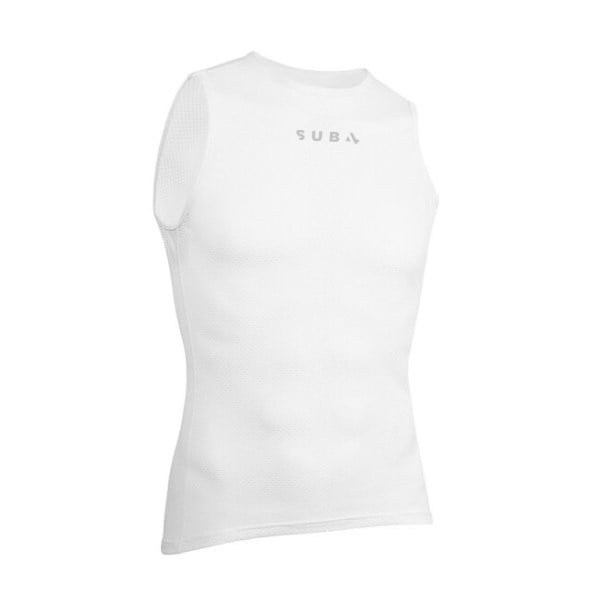
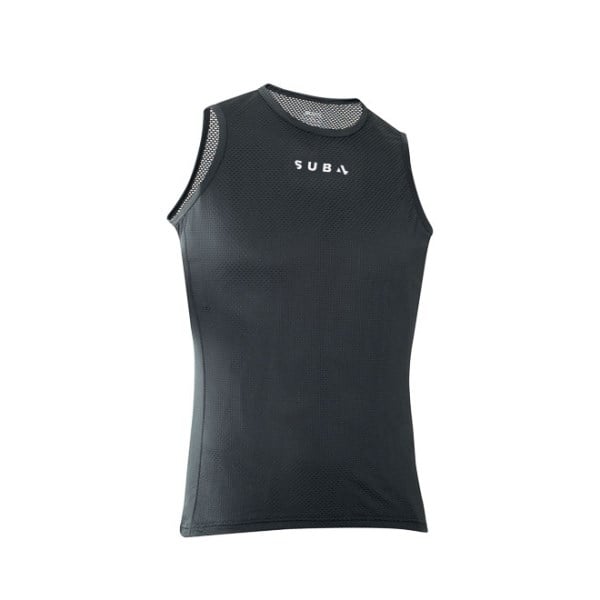
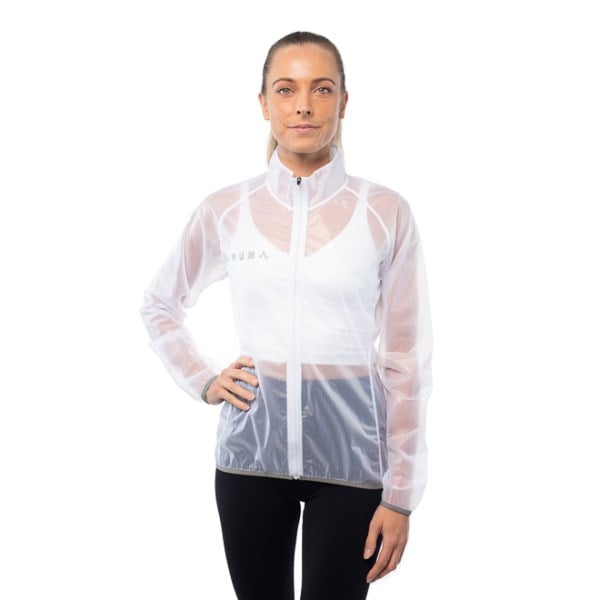
A moisture-wicking base plus a wind or rain shell covers most conditions.
Size with a thumbnail of room at the toe and look for secure heel lock to avoid blisters.
The kit
Every layer of the run, sorted. Start anywhere, each piece is chosen to work with the rest.
270 items
Start with where you run. Smooth footpaths and bitumen call for road running shoes with responsive cushioning, while fire trails and bush tracks need trail shoes with aggressive grip and underfoot protection. Then match the shoe to your goal: a soft, stable daily trainer for easy kilometres, or a lighter, snappier ride for tempo runs and race day. Pair it with apparel that breathes and moves so nothing distracts you mid-run.
A few specs make a real difference once you understand them. Heel-to-toe drop changes how your foot lands; higher drops suit heel strikers, lower drops encourage a midfoot landing. Cushioning level affects comfort and pace, and the right amount of stability supports runners who overpronate. Consider these factors when comparing models:
Our range suits everyone from new runners building consistency to seasoned racers fine-tuning their setup. We stock respected running brands across neutral and stability shoes, trail-specific models and technical apparel including tees, shorts, tights and lightweight layers. To keep shoes performing, rotate pairs where you can, air them out after humid runs, remove insoles to dry, and clean with a soft brush rather than the washing machine. Replace running shoes once the midsole feels flat or you notice new aches, usually a sign the cushioning is spent.