The Yoga Edit

The props that build the practice space.

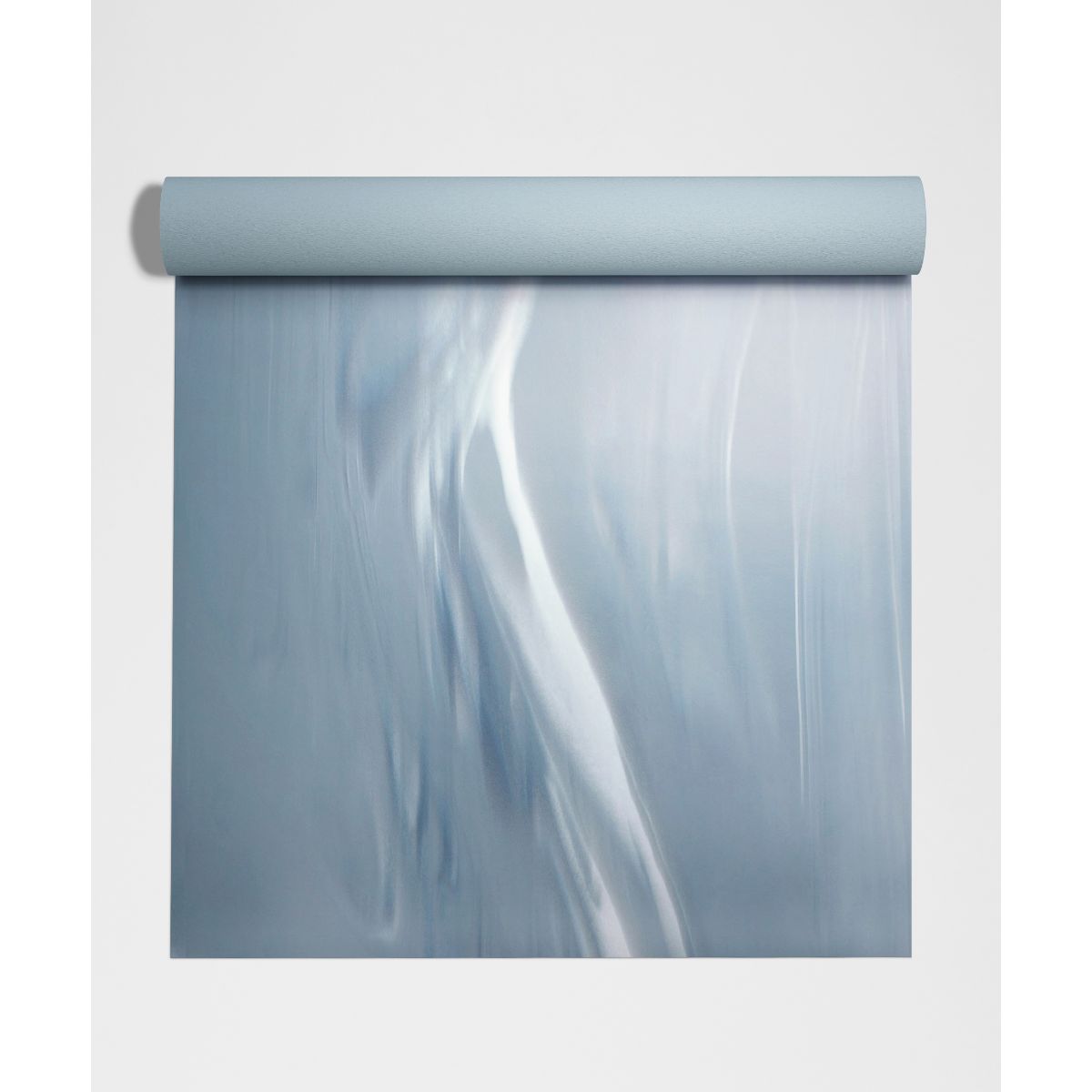
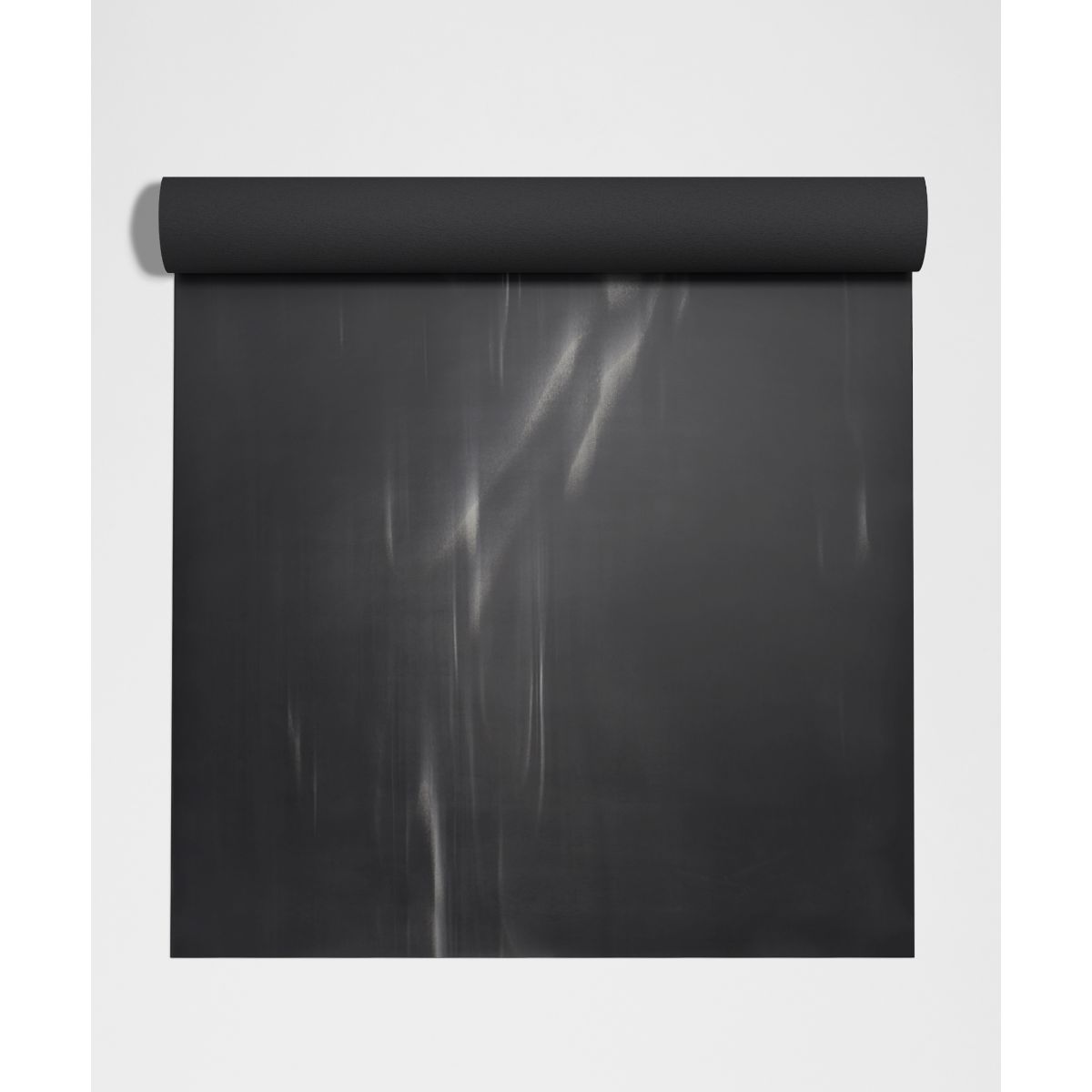
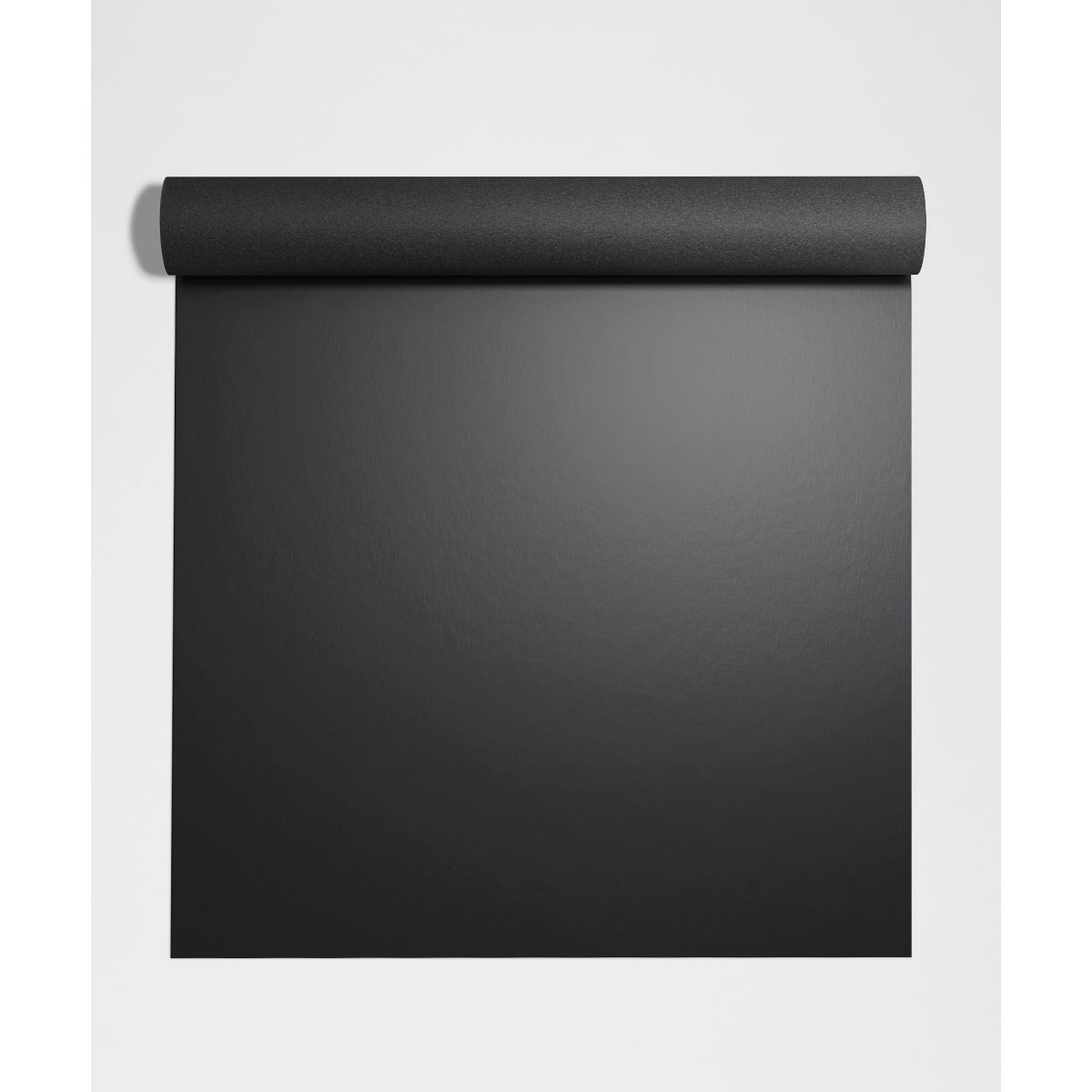
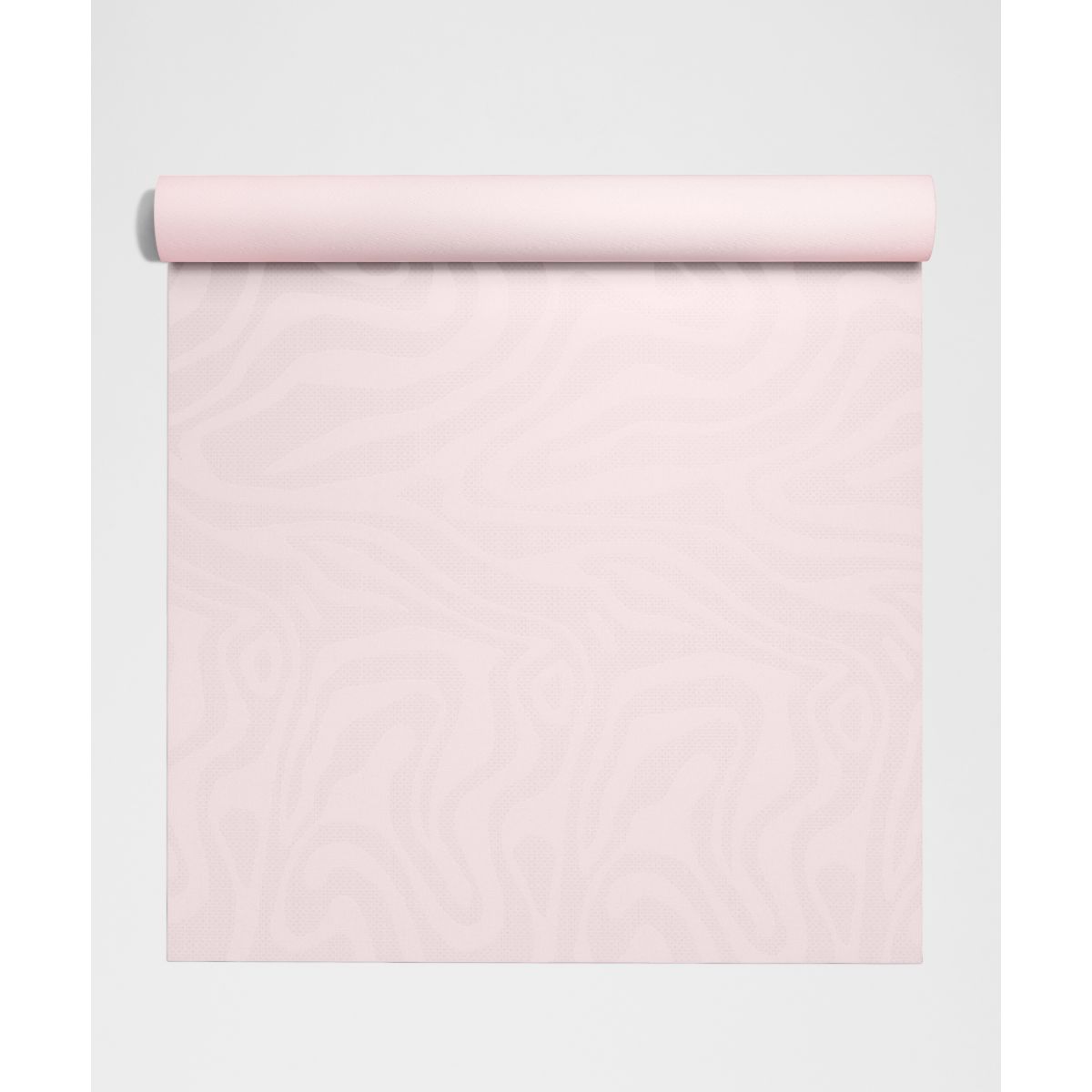
Mats, blocks, straps and bolsters that turn any corner of a room into a studio.

36 curated products

Equipment Yoga

Equipment is what makes a practice yours. The right mat gives you grip and cushioning, and a few well-chosen props open up poses, deepen stretches and support longer holds.

We curate the essentials that last: grippy, cushioned mats, supportive blocks and bolsters, and straps that extend your reach as your practice grows.

The buyer's guide

How to choose

Three things worth checking before you buy, so it works as hard as you do.

Match mat to practice

Thicker mats cushion joints for restorative, thinner and grippier suit balance and flow.

Start with the basics

A block and a strap unlock most poses before you add bolsters and wheels.

Check the grip

Look for textured, moisture-wicking surfaces that hold in hot, sweaty sessions.

Complete the set

Pairs well with

Round out your practice with pieces that complete the kit.

Shop all Equipment Yoga

36 items

Availability
Price
12

Choosing your yoga mat

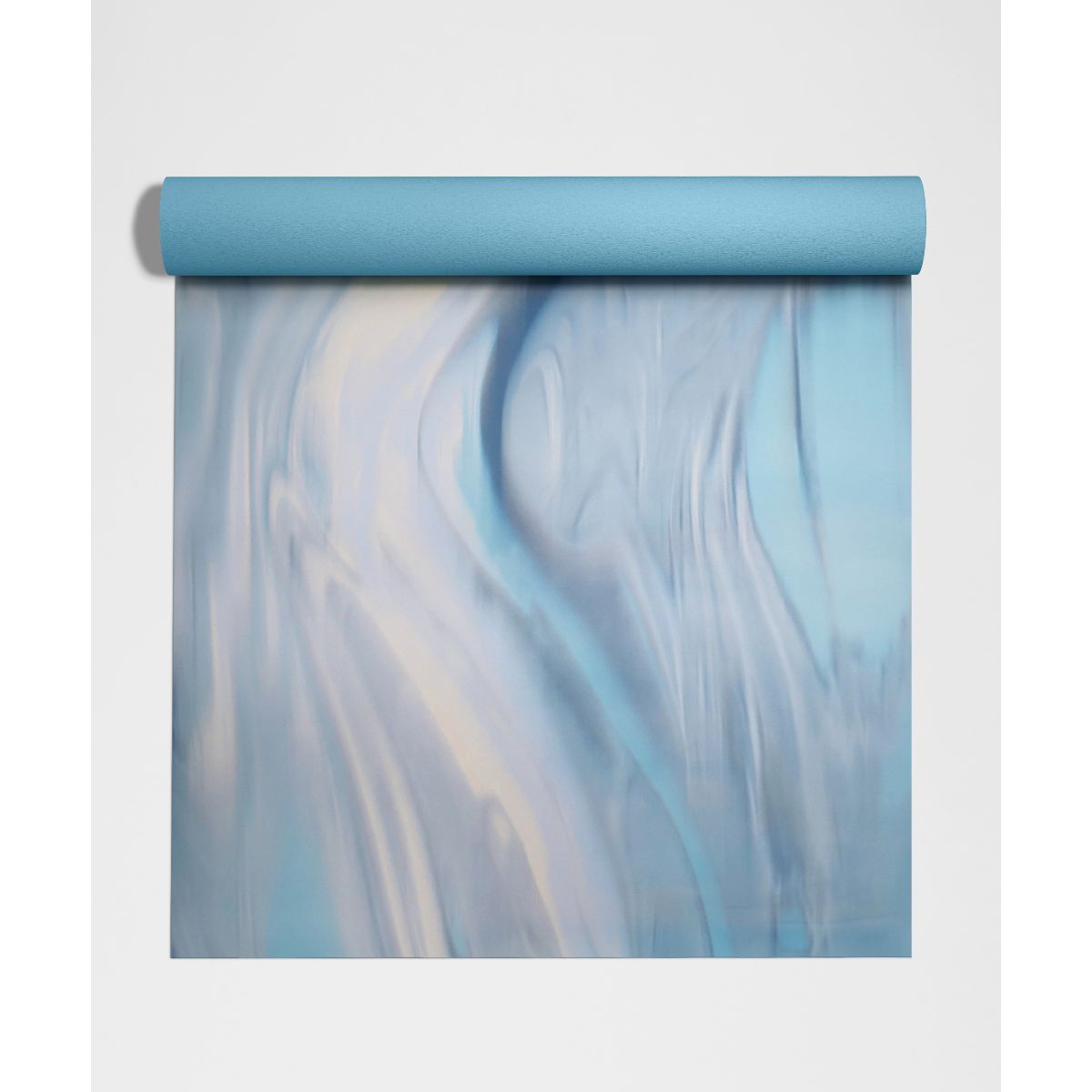
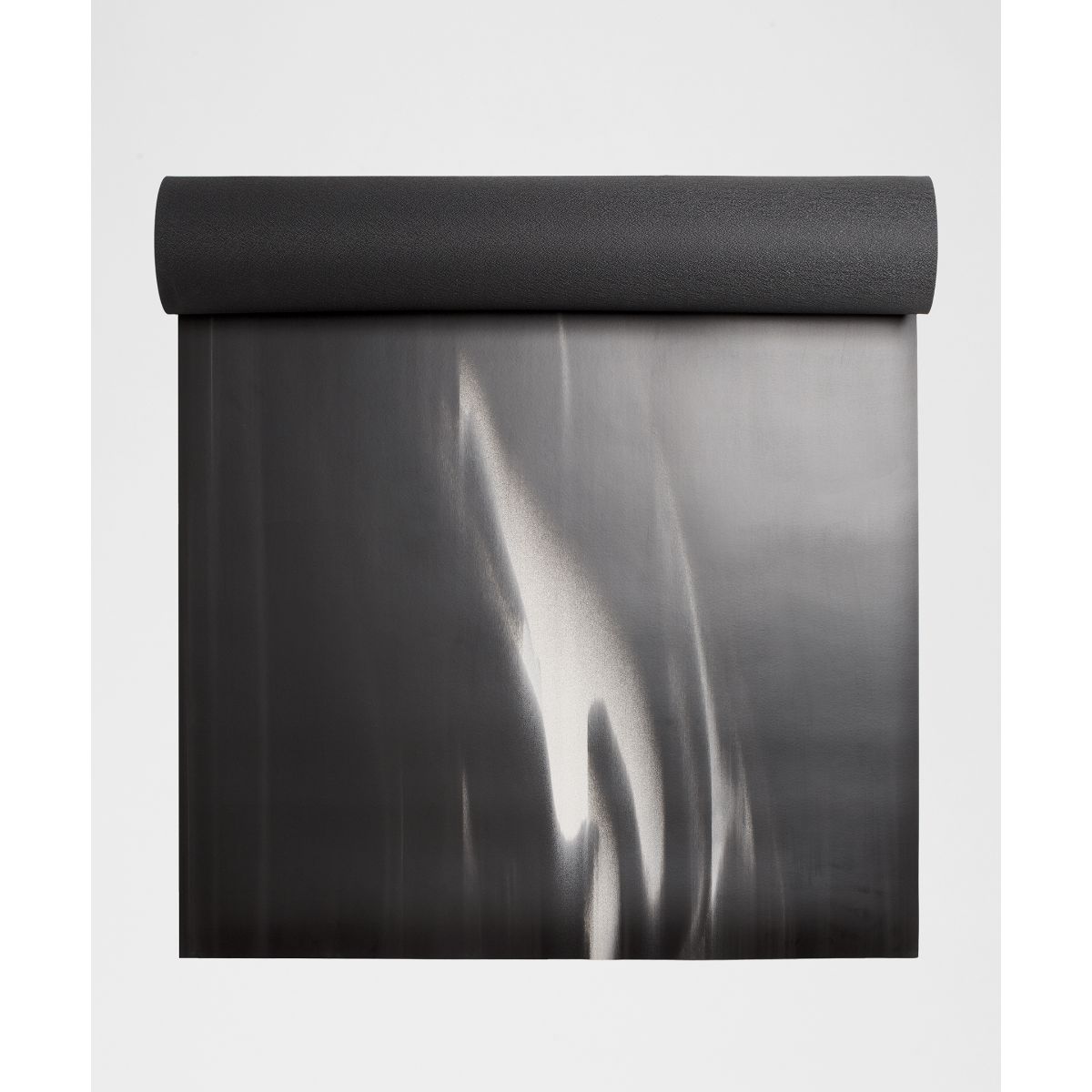
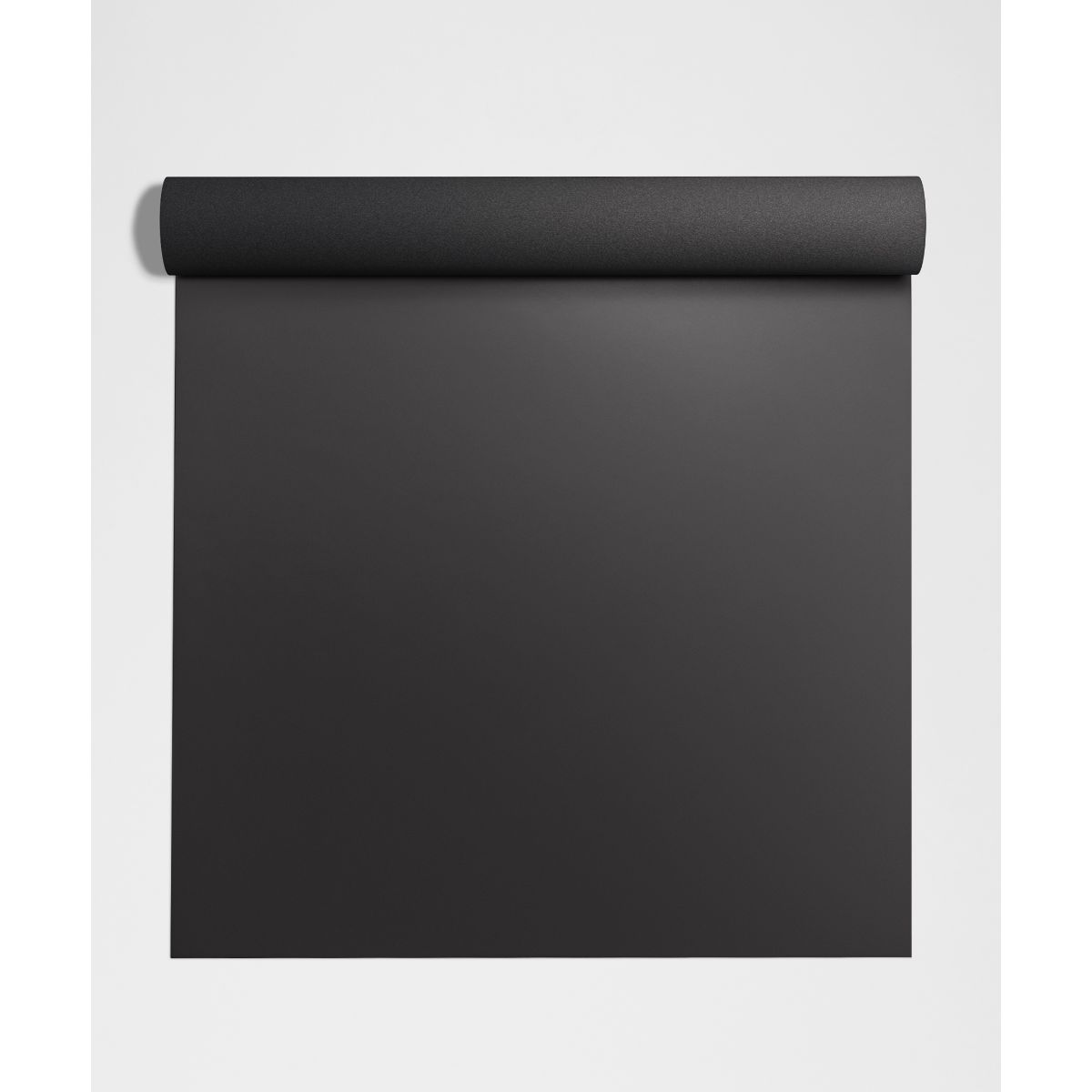
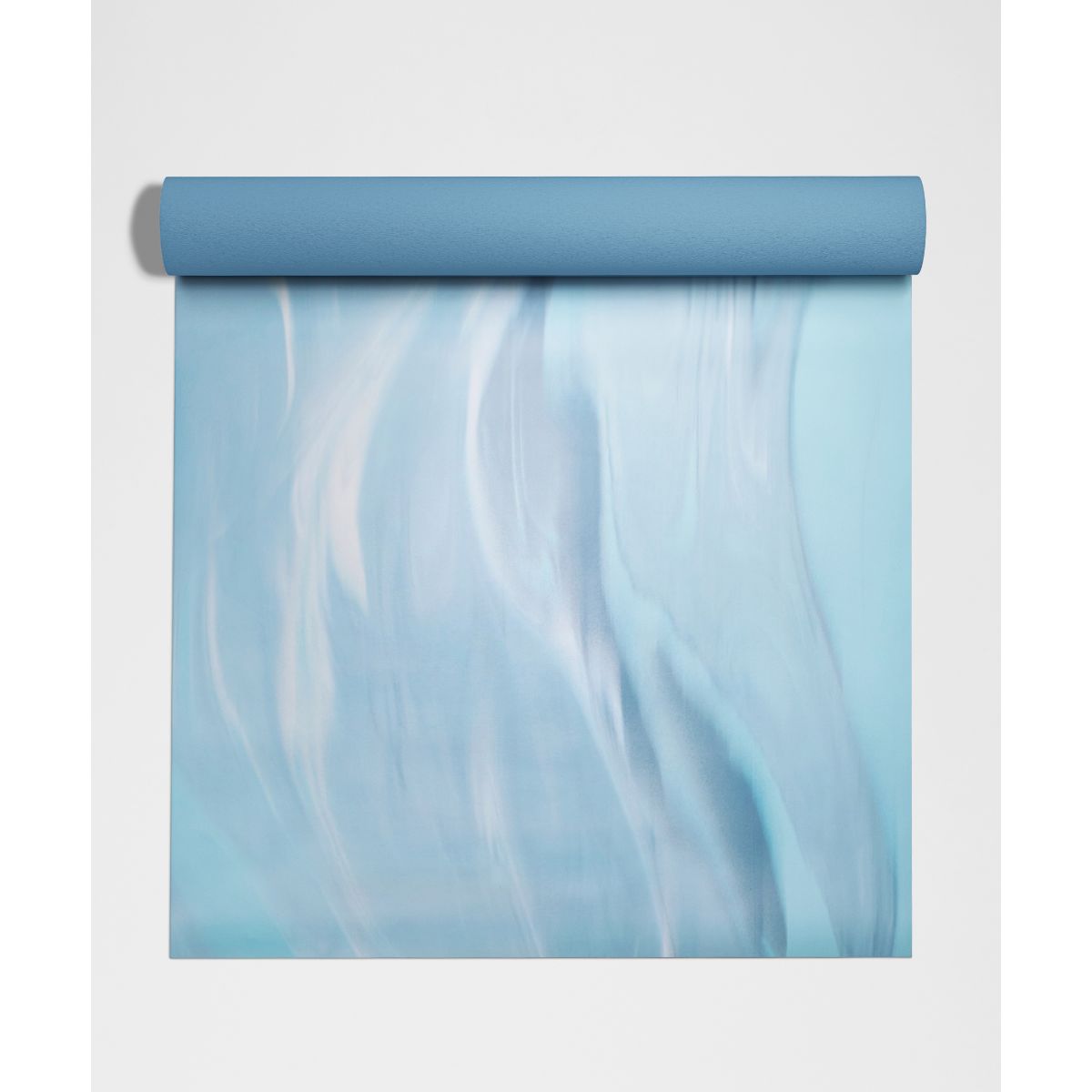
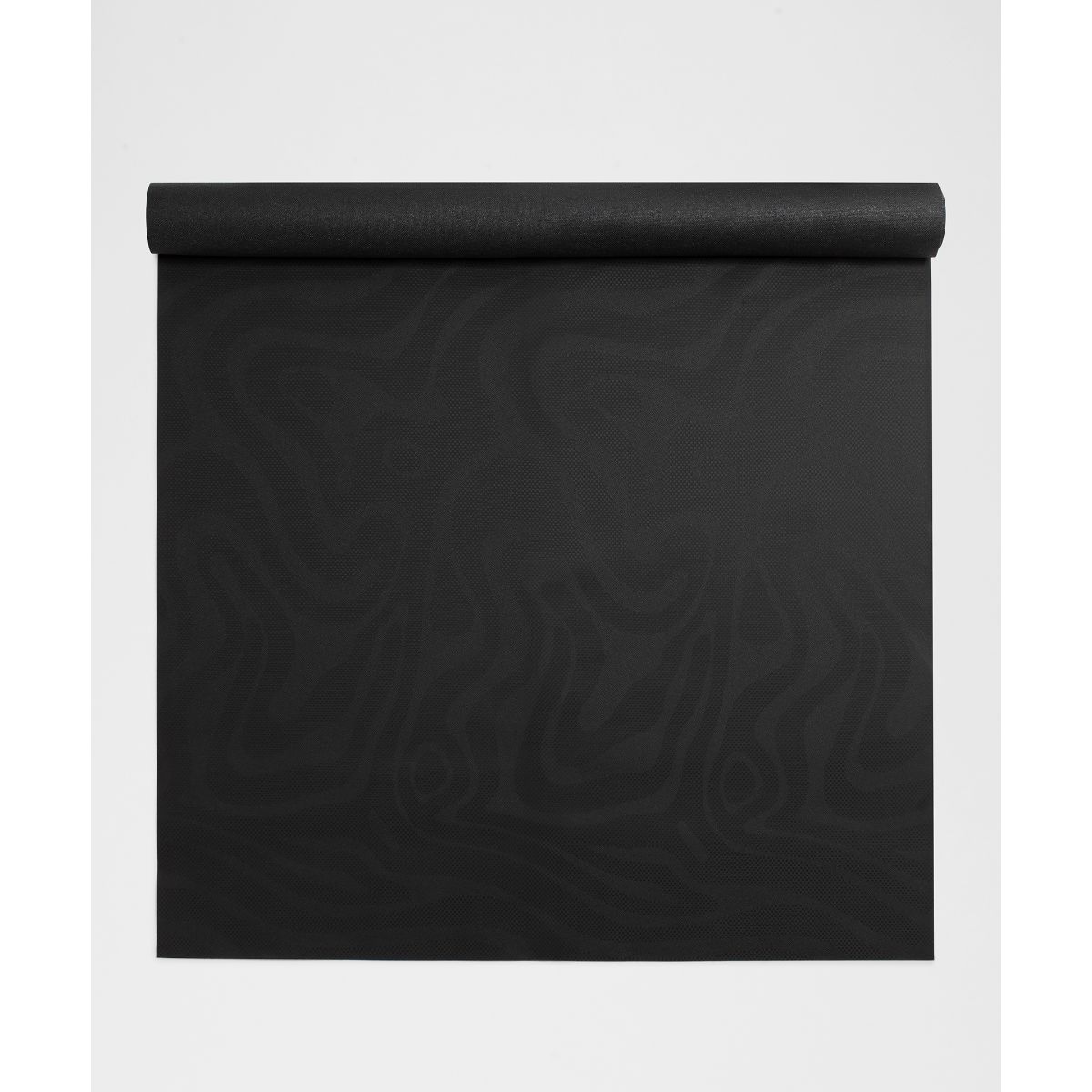
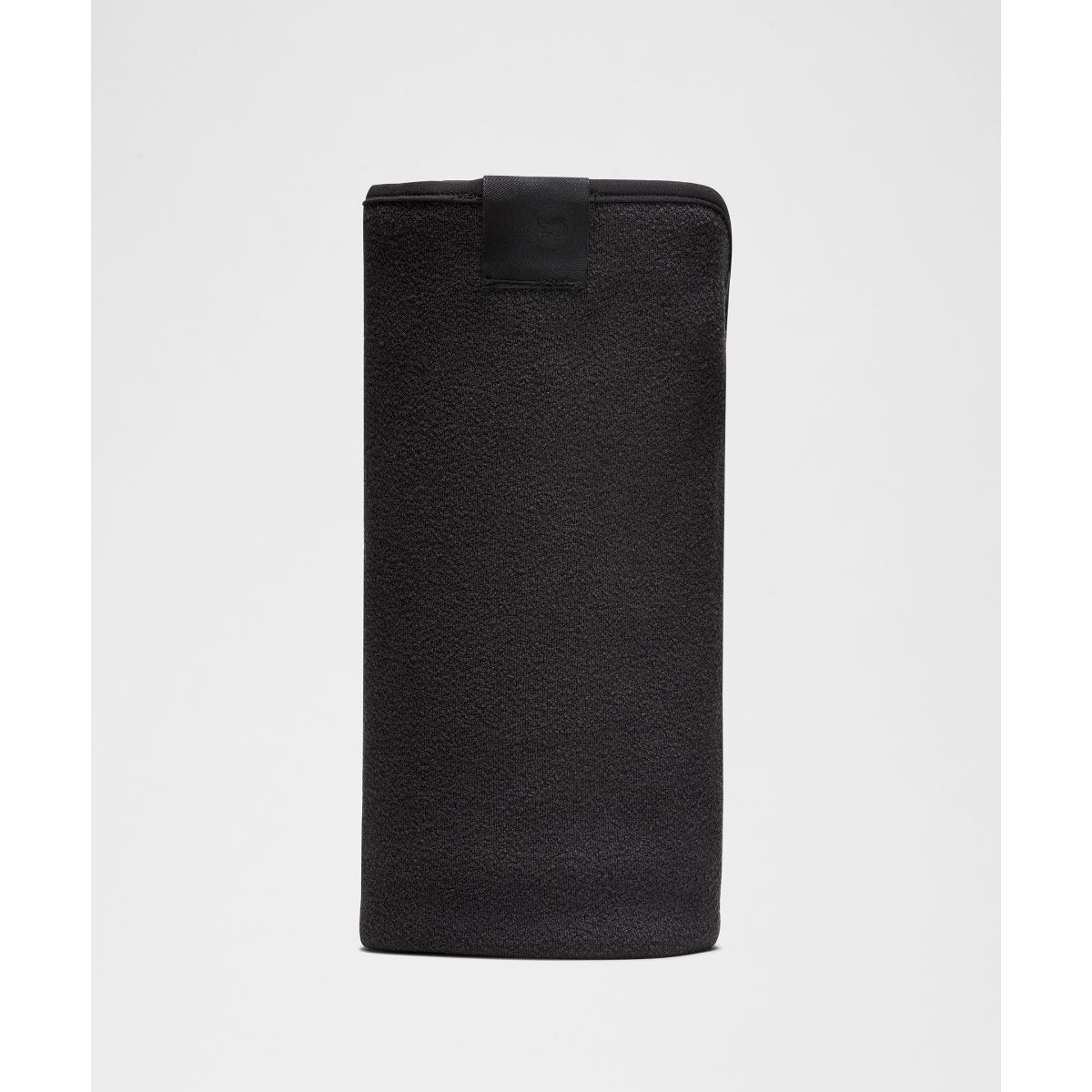
Your mat is the foundation of your practice, so grip and thickness matter most. For hot yoga and sweaty vinyasa, choose a mat with a moisture-wicking, high-grip top surface that gets more secure as it gets damp; a towel-topped or natural rubber mat works well here. For general practice, a balance of cushioning and stability is ideal. Thicker mats around 5 to 6mm protect knees and joints, while thinner travel mats prioritise portability and a stable connection to the floor.

Think about where you practise. A heavier, grippier mat suits a fixed home space, while a lightweight, foldable mat is easier to carry to the studio.

Blocks, straps and bolsters

Props make poses accessible and let you build flexibility safely. Blocks bring the floor closer in standing and seated poses, supporting balance and alignment; foam blocks are light and soft, while cork blocks are firmer and more stable. Straps extend your reach in binds and hamstring stretches, helping you keep good form without straining. Bolsters and cushions support restorative and yin postures, letting you relax fully into long holds.

  • Mat: 5 to 6mm for cushioning, high-grip surface for hot yoga
  • Blocks: cork for firm stability, foam for light comfort
  • Straps and bolsters: extend reach and support restorative poses

Building your kit

Beginners do well to start with a quality mat, two blocks and a strap, which cover the vast majority of poses and modifications. As your practice grows, a bolster opens up restorative and yin work at home. Choose props that match your style and space, and follow the care notes to keep grip and hygiene. Browse the full equipment range below to complete your Australian home setup.

Frequently asked questions

What thickness yoga mat should I choose?
For general practice, a mat around 5 to 6mm balances cushioning for your joints with a stable connection to the floor. Thicker mats protect knees in kneeling poses, while thinner travel mats prioritise portability and stability for balance work. If you have sensitive joints, lean towards extra thickness; for balance-heavy practice, choose a firmer, thinner mat.
Which yoga mat is best for hot yoga?
For hot yoga, choose a mat with a moisture-wicking, high-grip top surface that becomes more secure as it gets damp. Towel-topped mats and natural rubber mats handle sweat well and resist slipping. A standard smooth PVC mat can get slippery once you sweat, so look specifically for a grippy, sweat-friendly surface for heated practice.
Do I need yoga blocks and straps?
Blocks and straps make poses more accessible and help you build flexibility safely. Blocks bring the floor closer for balance and alignment, while straps extend your reach in binds and hamstring stretches so you keep good form. Beginners benefit most, but practitioners at every level use props to deepen poses and protect their joints.
Should I choose cork or foam yoga blocks?
Cork blocks are firmer, heavier and more stable, which suits standing balances and weight-bearing support. Foam blocks are lighter, softer and gentler under the body, which is comfortable for restorative work and easy to travel with. Many yogis own a pair of each, but if you choose one, cork offers the most reliable, stable support.
What equipment do I need to start yoga at home?
To start at home, a quality mat, two blocks and a strap cover the vast majority of poses and modifications. As your practice grows, add a bolster for restorative and yin work. This simple kit is enough for most beginner and intermediate routines, and you can build from there as your style develops.
How do I clean and care for yoga equipment?
Wipe your mat after each practice with a gentle mat cleaner or a diluted solution, and let it air dry fully before rolling to prevent odour. Avoid harsh chemicals on natural rubber and cork. Blocks and straps can be wiped down as needed. Following the care notes keeps your grip reliable and your props hygienic.