

A yoga mat looks like the simplest purchase in the studio. It is a rectangle you stand on. Yet the wrong mat is the single most common reason people quietly give up on a home practice. Hands slide forward in downward dog, knees ache through thin foam, and the whole thing feels like a fight with the floor rather than a release from the day.
The good news is that getting it right is not complicated once you understand the four things that actually matter. This is our 2026 guide to choosing a yoga mat that suits your body, your style of practice and your budget.
A closer look
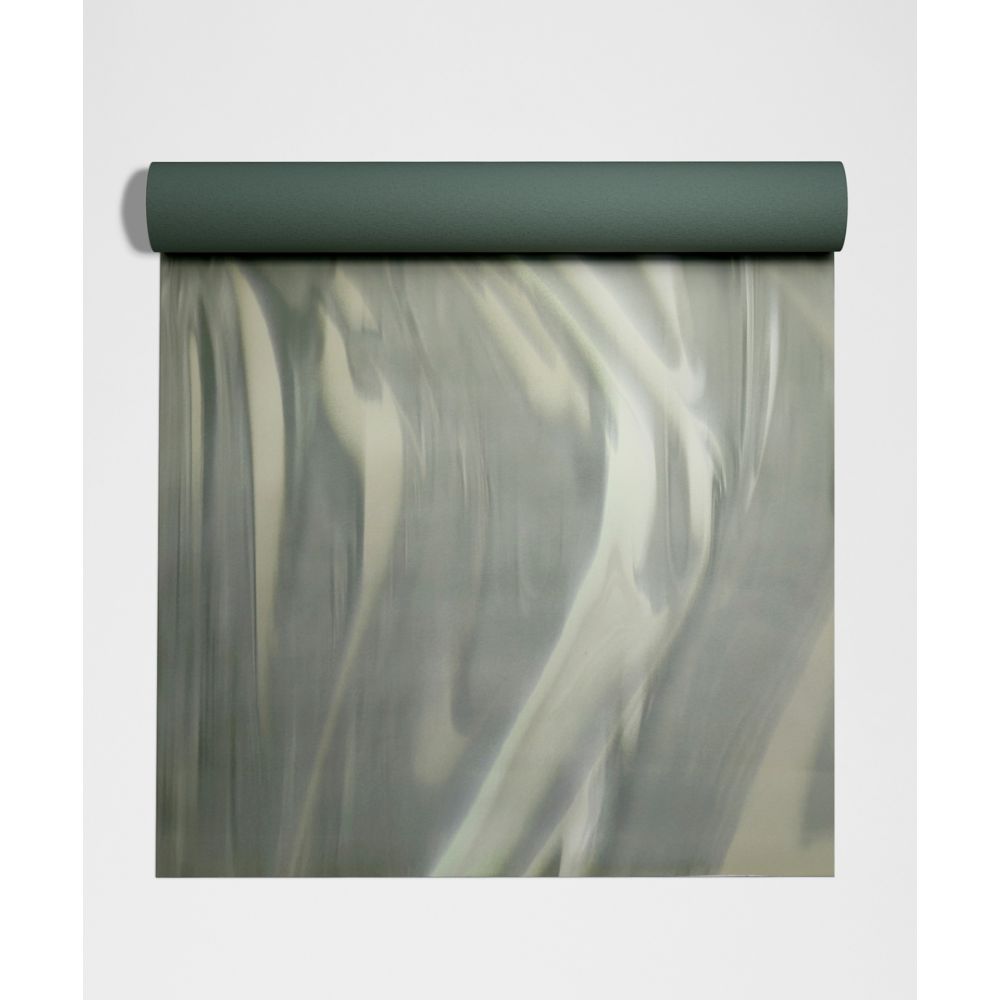
Our top all-round mat
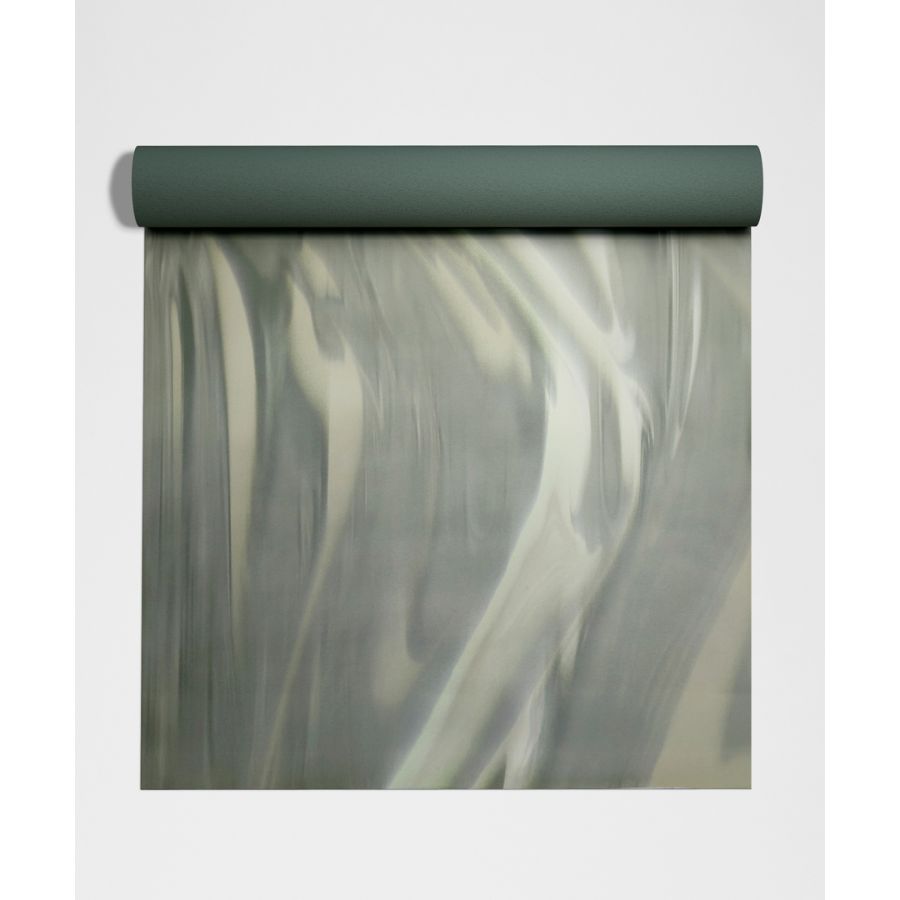
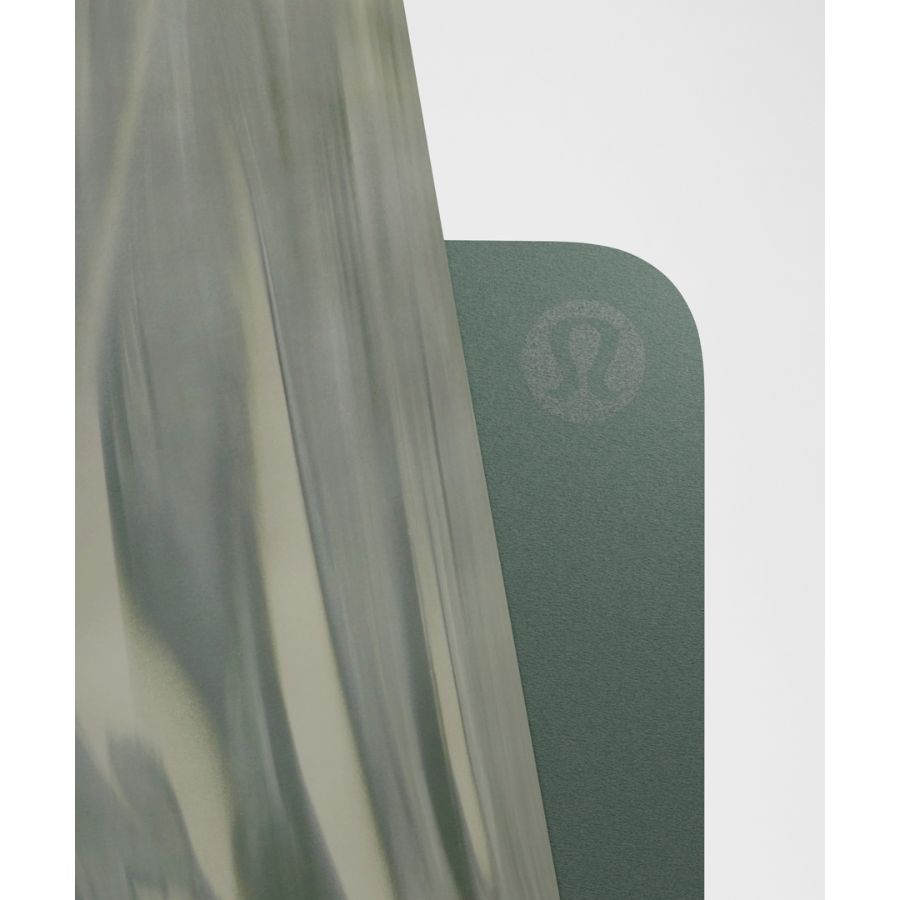
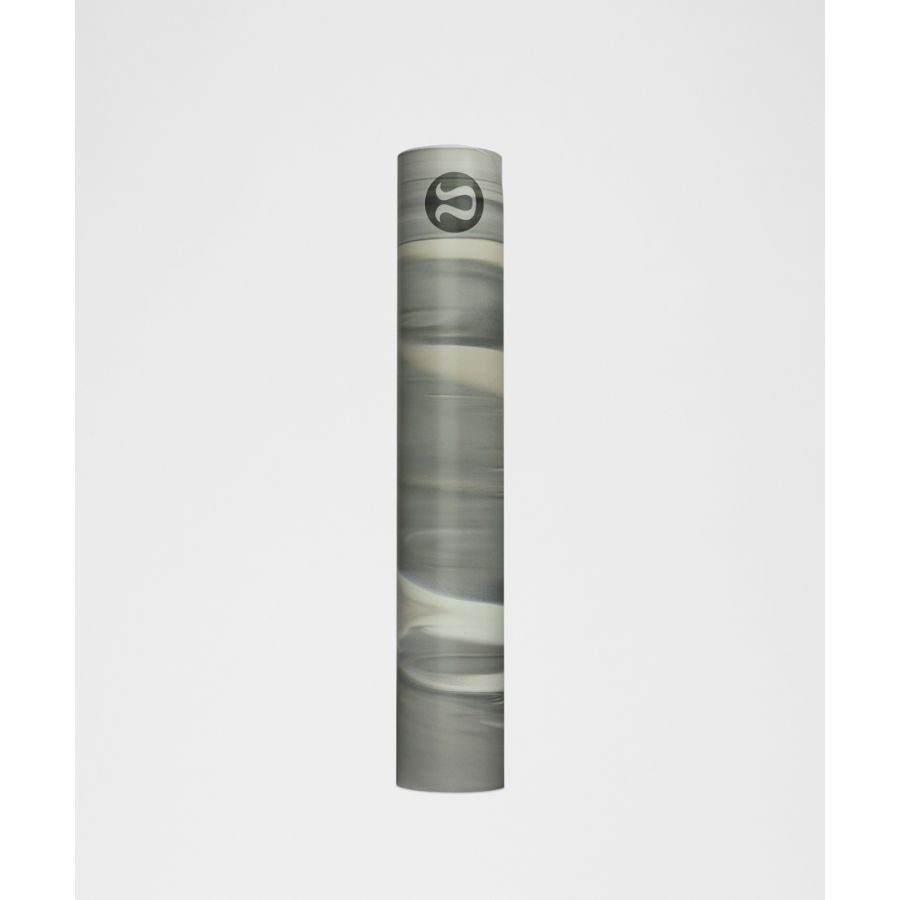
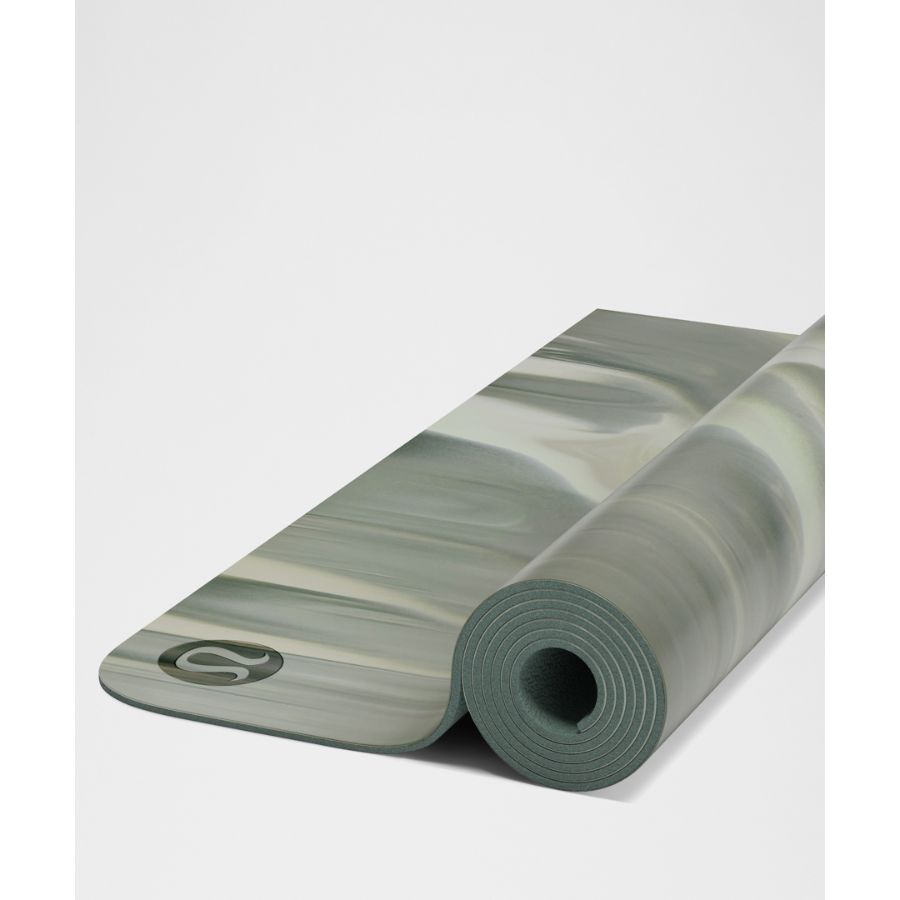
lululemon The Mat 5mm
★ 4.9 · 396 reviews
Natural rubber base with a cushioned 5mm depth for kneeling poses, long holds and restorative practice.
- Natural rubber base for steady support
- Extra 5mm cushion for added comfort
- More depth for kneeling and long holds
- Grounded, considered lululemon feel
$129 AUD
Buy now →How thick should a yoga mat be?
Thickness is the first decision and it is a genuine trade-off, not a case of more being better. A thicker mat cushions the joints but makes balancing poses wobblier because there is more squish between you and the ground. A thinner mat gives you a stable, connected feel but less padding under the knees and wrists.
- Around 3mm: a stable, grounded feel favoured for flow and balance work. The choice of many dedicated practitioners.
- Around 5mm: a balanced all-rounder that cushions the joints while staying stable enough for most poses.
- 6mm and above: maximum cushioning for sensitive knees, restorative practice or anyone who finds thin mats uncomfortable.
The grip question matters more than thickness
Most people blame their balance or their flexibility when the real culprit is a slippery mat. Grip is the single most underrated feature. A mat that holds your hands in place transforms how secure a practice feels, especially in hot or sweaty styles.
What material should I look for?
Material drives grip, weight, durability and environmental footprint. There is no perfect material, only the right one for your priorities.
- Natural rubber: excellent grip and a planet-friendlier footprint, heavier and with a natural scent that fades. The premium standard for serious practice.
- PVC: durable, affordable and long-lasting, but less eco-friendly and sometimes slippery until broken in.
- TPE: a lighter, more recyclable middle ground with decent grip, good for travel and beginners.
- Polyurethane-topped mats: a grippy top layer bonded to a rubber base, prized in hot yoga for gripping better as you sweat.
Shop yoga mats
Which mat is right for my level?
Rather than chasing the most expensive option, match the mat to where you are now. You can always upgrade once your practice tells you what it needs.
- Beginner: a 5mm TPE or PVC mat. Forgiving on the joints, affordable, and enough grip to learn on without overthinking it.
- Regular flow or hot yoga: a polyurethane-topped or natural rubber mat around 5mm that grips harder as you sweat.
- Travel: a thin 1.5mm to 3mm folding or natural rubber travel mat you can pack flat.
- Sensitive knees or restorative: a 6mm or thicker cushioned mat, or simply add a folded blanket under the knees on any mat.
Break in and clean a new mat
Many premium mats, especially natural rubber and polyurethane tops, grip best after a few sessions and a wipe-down to remove the manufacturing film. Clean with a damp cloth and mild soap, never harsh chemicals, and let it dry flat out of direct sun.
How much should I spend?
A capable beginner mat is genuinely affordable, and there is no shame in starting there. Spend more only when you know what you want from a mat, because a premium rubber or polyurethane mat is a multi-year investment that pays off in grip and durability. The worst value is a cheap mat you stop using and a premium mat bought before you knew your practice. Buy for the yoga you actually do today.
The short version
- ✓Pick thickness for the trade-off you want: thinner for stability, thicker for cushioning. 5mm is the safe all-rounder.
- ✓Grip matters more than almost anything else. Prioritise it, especially for hot or flow styles.
- ✓Match material to priorities: rubber for grip and eco, PVC for durability and price, TPE for travel.
- ✓Buy for the practice you do now, then upgrade once you know what you need.
Set up your practice
Mats, straps, blocks and the activewear to match, curated from the brands yogis trust.
Shop Yoga →