

Walk into the running shoe aisle in 2026 and you face a wall of foam, plates and marketing words that all promise to make you faster. The truth is calmer than the hype. The best running shoe is not the most expensive or the bounciest. It is the one that matches your stride, your distance and the surface under your feet.
This guide cuts through the categories so you can shop with confidence. Get the category right first, and the specific model becomes a much smaller decision.
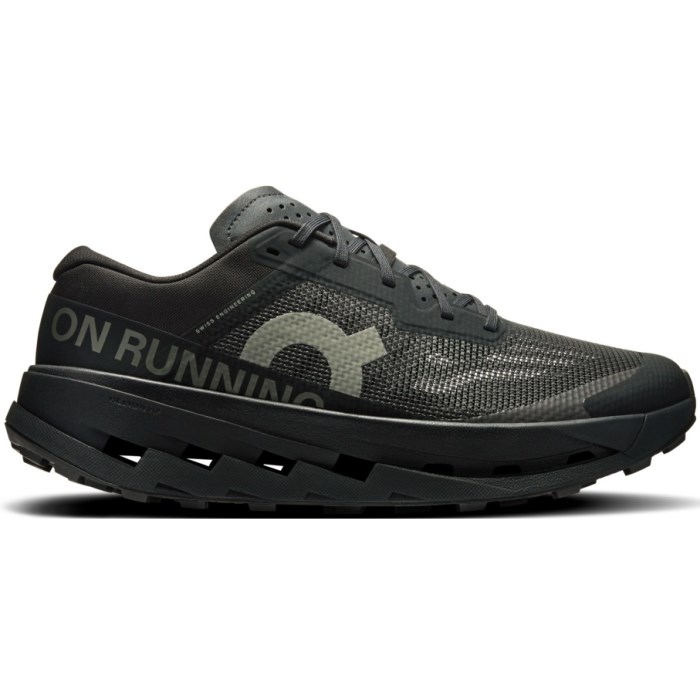
A standout all-terrain pick
On Cloudultra 3
★ 4.5 · 471 reviews
High-tech comfort and high-performance grip engineered to go the ultra distance.
- Engineered to go the ultra distance
- High-performance grip for rough terrain
- Enduring comfort mile after mile
- Maximum energy return underfoot
$229.99 AUD
Buy now →What are the main types of running shoe?
Almost every running shoe falls into one of a few buckets. Knowing which bucket you need is ninety per cent of the decision.
- Daily trainer: the workhorse for most of your kilometres. Cushioned, durable and stable. If you buy one pair, buy this.
- Super-shoe: plated, super-foam shoes for race day and fast sessions. Light and lively but softer and less durable.
- Stability shoe: extra support for runners whose ankles roll inward, smoothing the stride and reducing strain.
- Trail shoe: aggressive grippy outsoles and tougher uppers for dirt, rock and mud where road shoes slide.
Start with one good daily trainer
If you are new or returning to running, do not buy a carbon racer first. A well-cushioned daily trainer in your correct size will carry you through almost everything while you learn what your body actually wants. Add specialist shoes later.
How do I know if I need stability shoes?
The old advice was to analyse your arch height and pronation in minute detail. The modern, more sensible view is simpler. Most runners do well in a neutral, cushioned shoe. You only need a stability shoe if you have a history of the specific injuries linked to excessive inward rolling, or a physiotherapist or podiatrist has recommended one.
If a neutral shoe feels comfortable and you run without recurring pain, you almost certainly do not need to add support you were not asking for. Comfort over a real run is the most reliable signal there is, and it beats any in-store gait analysis.
Shop running shoes
Do I really need more than one pair?
If you run more than a couple of times a week, a rotation of two shoes is one of the best value upgrades you can make. It is not indulgence. Midsole foam needs around a day to fully decompress between runs, so alternating pairs lets each one recover and last longer. Rotating different shoes also varies the load on your legs slightly, which many coaches believe reduces overuse niggles.
A practical rotation is one cushioned daily trainer and one lighter or faster shoe. Add a trail shoe if you head off-road. You do not need a wall of shoes, just the right two or three for the running you actually do.
When to replace a shoe
Most road shoes last roughly 600 to 800 kilometres. The clearest signal is not the tread but the feel. When a familiar shoe starts to feel flat and dead underfoot, or old aches return, the foam has lost its bounce and it is time. Track your shoes by date and rough mileage so a worn-out pair never sneaks up on you.
How should a running shoe fit?
Fit is where most people go wrong, usually by buying too small. Your feet swell as you run and over the course of a day, so a running shoe should have roughly a thumb-width of space between your longest toe and the end of the shoe. The heel should lock in without slipping, and the midfoot should feel secure but never pinched.
Try shoes on later in the day when your feet are at their largest, wear your running socks, and if you can, move in them rather than just standing. A shoe that feels perfect standing still can feel very different at running pace.
The short version
- ✓Get the category right first: daily trainer, super-shoe, stability or trail.
- ✓Most runners need a neutral cushioned daily trainer, not a carbon racer or forced stability.
- ✓A two-shoe rotation lasts longer and varies the load on your legs.
- ✓Buy half a size up, fit late in the day, and replace when the shoe feels flat underfoot.
Find your perfect pair
Compare daily trainers, super-shoes and trail shoes from the brands runners rely on.
Shop Running →